
We’re Here To help
High-Quality Remodeling Services
Serving DFW, Austin, San Antonio & Houston area.
Our Valued Associations
We are proud to be members of these prestigious organizations.




Trustindex verifies that the original source of the review is Google. Yehuda and his team did an excellent job helping us with our remolding needs. They transformed our older faux fireplace and chimney wall with a sleek new design. They hung our tv, soundbar, and installed a new electric fireplace. We also had a new granite countertops, sink, backsplash, and faucet installed in our kitchen. Lastly they did a concrete overlay on the front walkway from the street up to our porch. Yehuda was great with communication, and his team did high quality work. We couldn’t be more pleased.Trustindex verifies that the original source of the review is Google. AY Development exceeded all my expectations! They took my unique vision and turned it into a stunning reality with incredible attention to detail. Yehuda and his team are true professionals, ensuring every aspect of the project was handled with precision and quality craftsmanship. If you're looking for a builder who brings creativity, expertise, and reliability to the table, AY Development is the way to go. Highly recommend!Trustindex verifies that the original source of the review is Google. We recently hired AY Development to renovate our Motel 6 reception area, and we couldn’t be happier with the results! From start to finish, their team was professional, efficient, and detail-oriented. They transformed the space beautifully, making it more modern, welcoming, and functional for our guests. The quality of work exceeded our expectations, and they completed the project on time and within budget. Communication was clear throughout, and they were always willing to accommodate our requests. If you’re looking for a reliable and skilled contractor, we highly recommend AY Development!Trustindex verifies that the original source of the review is Google. Yehuda from AY Development provided us with a complimentary 3D rendering and walkthrough of our bathroom, which was incredibly helpful. We are very happy with the results!Trustindex verifies that the original source of the review is Google. Such a wonderful experience! They did a wonderful job, everything went better than planned. Thank you !Trustindex verifies that the original source of the review is Google. After going through many contractors I can tell that Yehuda and AY Development are very professional and trustworthy! They did a beautiful job on our home addition adding a 1600sq ft to our house.Trustindex verifies that the original source of the review is Google. Yehuda is the best thank so so much for all your help you’ve been very helpful and kindTrustindex verifies that the original source of the review is Google. Used them for some commercial work. Everything was perfect. Will definitely use them again!Google rating score: 5.0 of 5, based on 21 reviews

About AY Development
Professional Remodeling and Construction Experts
At AY Development, we have been helping homeowners enhance their living spaces through expert remodeling services for years. Our commitment to quality, attention to detail, and exceptional craftsmanship sets us apart from other contractors in the area. Whether you’re remodeling a single room or undertaking a full-scale home renovation, we work closely with you to understand your needs, deliver personalized solutions, and ensure you love the end result.
Our team of licensed and insured professionals has years of experience in the remodeling and home-building industry. We use the best materials, advanced techniques, and the latest trends to ensure your home exceeds expectations. We understand that remodeling is an investment, and we strive to provide the best value for your money, all while keeping you informed throughout the entire process.
Trustindex verifies that the original source of the review is Google. Yehuda and his team did an excellent job helping us with our remolding needs. They transformed our older faux fireplace and chimney wall with a sleek new design. They hung our tv, soundbar, and installed a new electric fireplace. We also had a new granite countertops, sink, backsplash, and faucet installed in our kitchen. Lastly they did a concrete overlay on the front walkway from the street up to our porch. Yehuda was great with communication, and his team did high quality work. We couldn’t be more pleased.Trustindex verifies that the original source of the review is Google. AY Development exceeded all my expectations! They took my unique vision and turned it into a stunning reality with incredible attention to detail. Yehuda and his team are true professionals, ensuring every aspect of the project was handled with precision and quality craftsmanship. If you're looking for a builder who brings creativity, expertise, and reliability to the table, AY Development is the way to go. Highly recommend!Trustindex verifies that the original source of the review is Google. We recently hired AY Development to renovate our Motel 6 reception area, and we couldn’t be happier with the results! From start to finish, their team was professional, efficient, and detail-oriented. They transformed the space beautifully, making it more modern, welcoming, and functional for our guests. The quality of work exceeded our expectations, and they completed the project on time and within budget. Communication was clear throughout, and they were always willing to accommodate our requests. If you’re looking for a reliable and skilled contractor, we highly recommend AY Development!Trustindex verifies that the original source of the review is Google. Yehuda from AY Development provided us with a complimentary 3D rendering and walkthrough of our bathroom, which was incredibly helpful. We are very happy with the results!Trustindex verifies that the original source of the review is Google. Such a wonderful experience! They did a wonderful job, everything went better than planned. Thank you !Trustindex verifies that the original source of the review is Google. After going through many contractors I can tell that Yehuda and AY Development are very professional and trustworthy! They did a beautiful job on our home addition adding a 1600sq ft to our house.Trustindex verifies that the original source of the review is Google. Yehuda is the best thank so so much for all your help you’ve been very helpful and kindTrustindex verifies that the original source of the review is Google. Used them for some commercial work. Everything was perfect. Will definitely use them again!Google rating score: 5.0 of 5, based on 21 reviews
Contact Us Today!
A member of our team will be in touch shortly.

Contact Us Today!
Contact us today for a free consultation and let our experts bring your vision to life.
Our Remodeling Services
Kitchen Remodeling: Transform Your Culinary Space
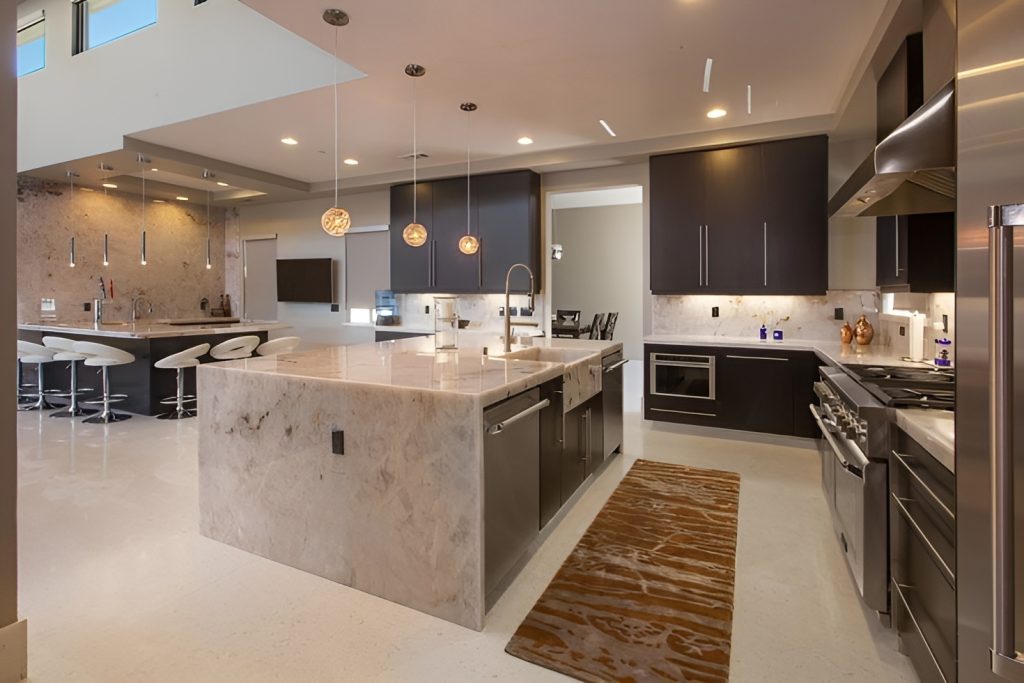
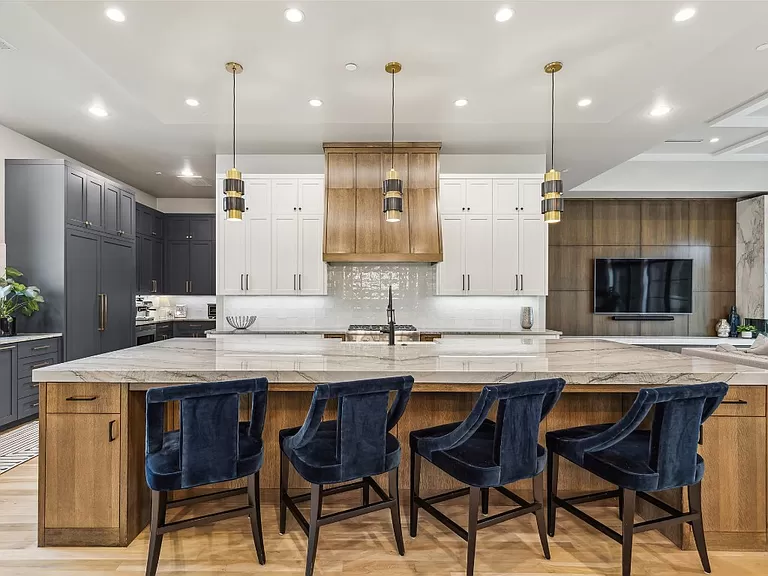
The kitchen is often considered the heart of the home. At AY Development, we understand that a functional and aesthetically pleasing kitchen is essential for your daily life and home enjoyment. Our kitchen remodeling services are designed to meet your unique needs, whether you want to modernize your space, increase functionality, or simply refresh the design. From custom cabinetry to innovative lighting solutions, we take care of every detail to make sure your kitchen meets your vision.
Our team works with you to choose the best materials, layouts, and features that fit both your style and your budget. Whether you prefer a sleek modern look or a cozy farmhouse design, we’ll create a kitchen that perfectly suits your needs. With our high-quality craftsmanship and dedication to perfection, we ensure that your new kitchen is not only beautiful but also functional and durable.
Bathroom Remodeling: A Relaxing Retreat at Home
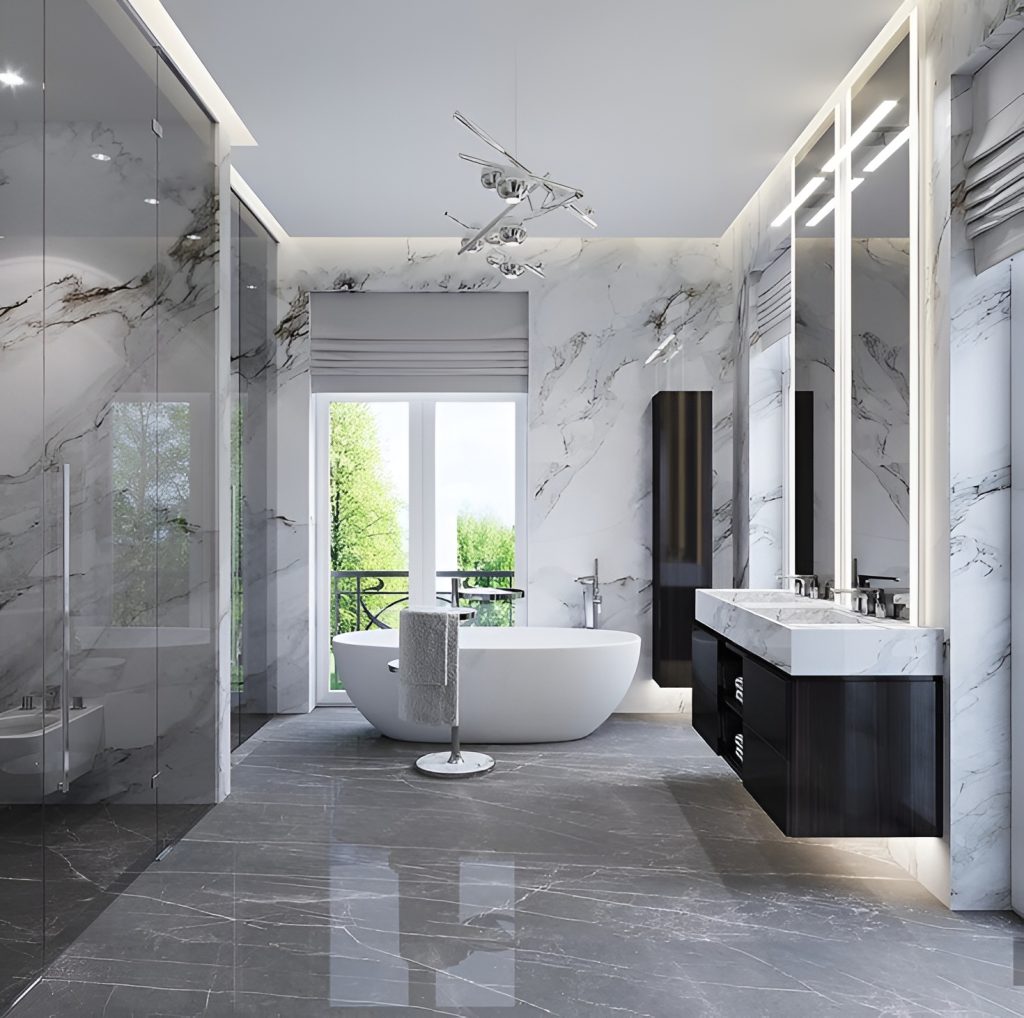
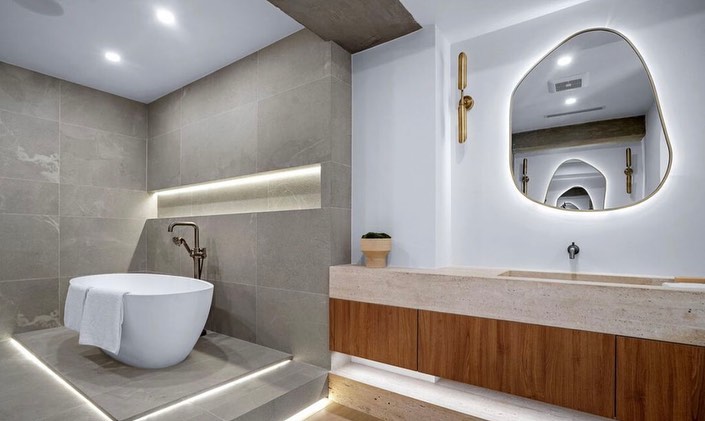
At AY Development, we believe that your bathroom should be more than just a space for daily routines—it should be a relaxing retreat. Our bathroom remodeling services focus on creating a comfortable, serene environment where you can unwind and rejuvenate. From spacious walk-in showers to elegant vanities and modern fixtures, we’ll help you design a bathroom that complements your lifestyle.
We specialize in custom designs, ensuring your bathroom meets your specific needs, whether you’re looking to improve storage, enhance aesthetics, or maximize space. Our team works closely with you throughout the remodeling process, from initial consultation to final touches, to ensure your vision is brought to life with the highest quality materials and craftsmanship. No matter the scope of the project, we are committed to delivering exceptional results.
Design and Build Your Ideal Living Space
Your Dream Home Awaits
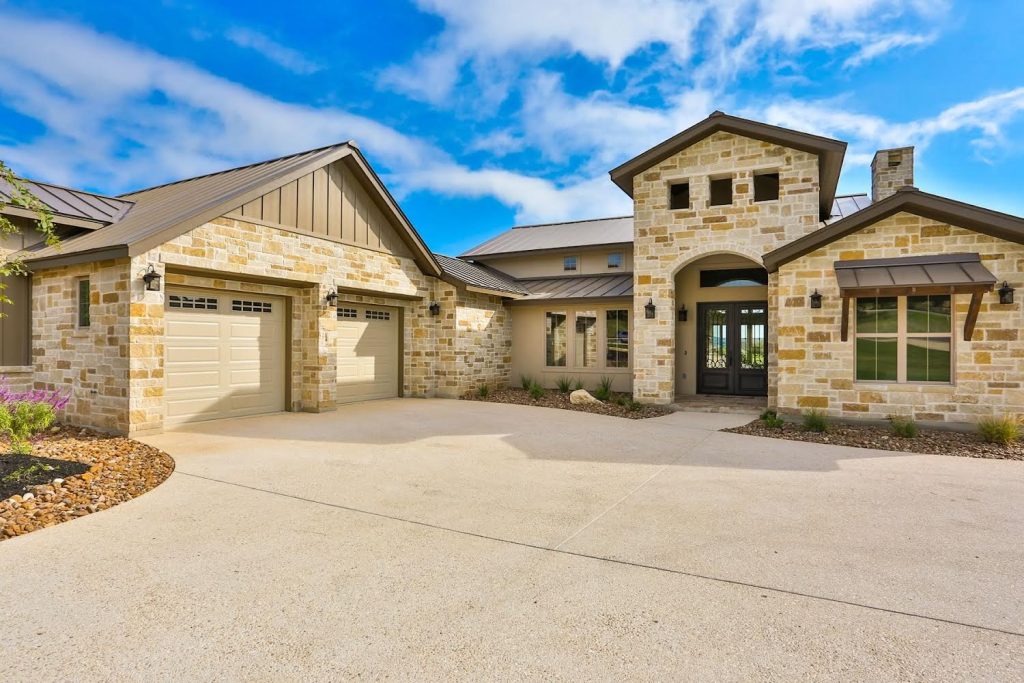
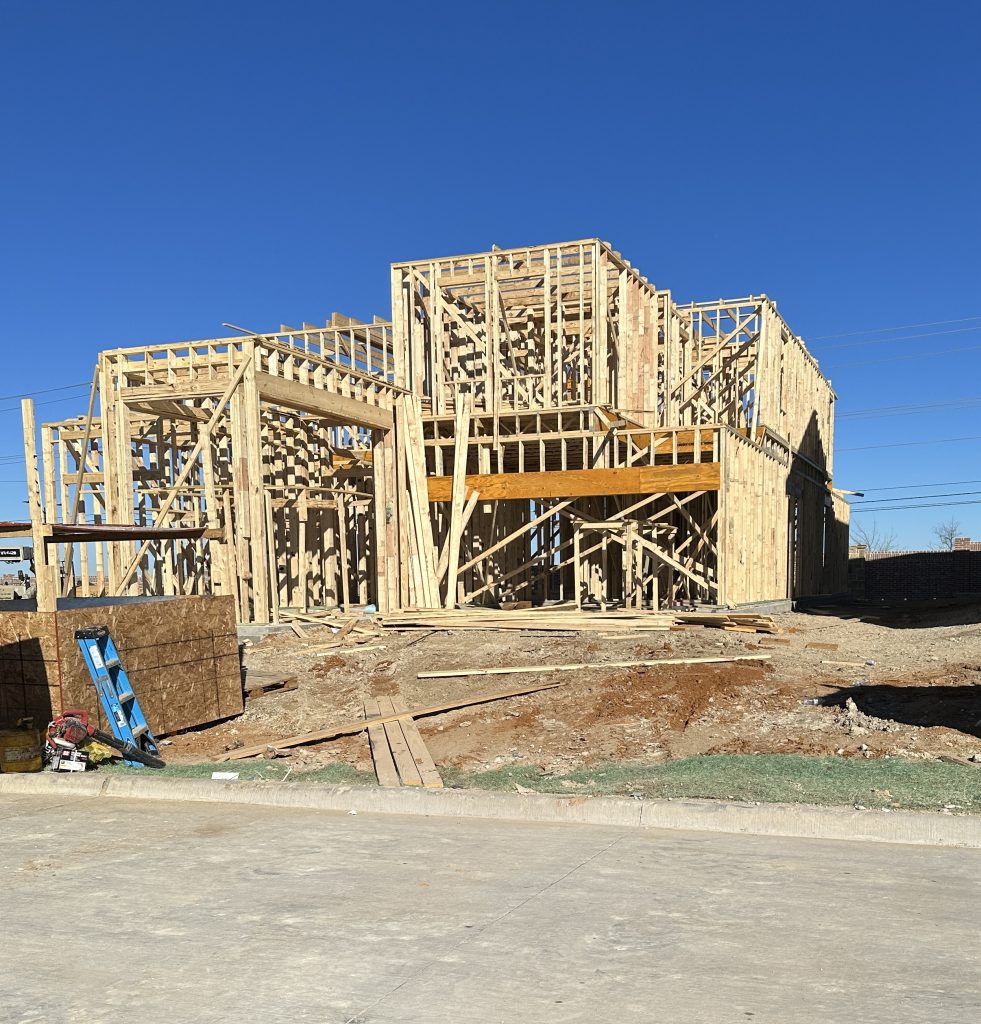
AY Development offers custom home building services for those looking to create a home that reflects their personal style, taste, and needs. Whether you’re starting from the ground up or expanding an existing structure, we will guide you through every step of the process, from design and planning to construction and final walkthrough. Our experienced builders work with you to ensure your home is built to your exact specifications while adhering to the highest standards of quality and craftsmanship.
We understand that building a custom home is a significant investment and we take pride in offering personalized service throughout the entire project. Our team works with you to select the best materials, layout, and design elements that fit your vision, budget, and lifestyle. From modern, minimalist designs to traditional, family-friendly layouts, we ensure that your custom home is built to last.
Expand Your Living Area with Expert Home Additions and Patios
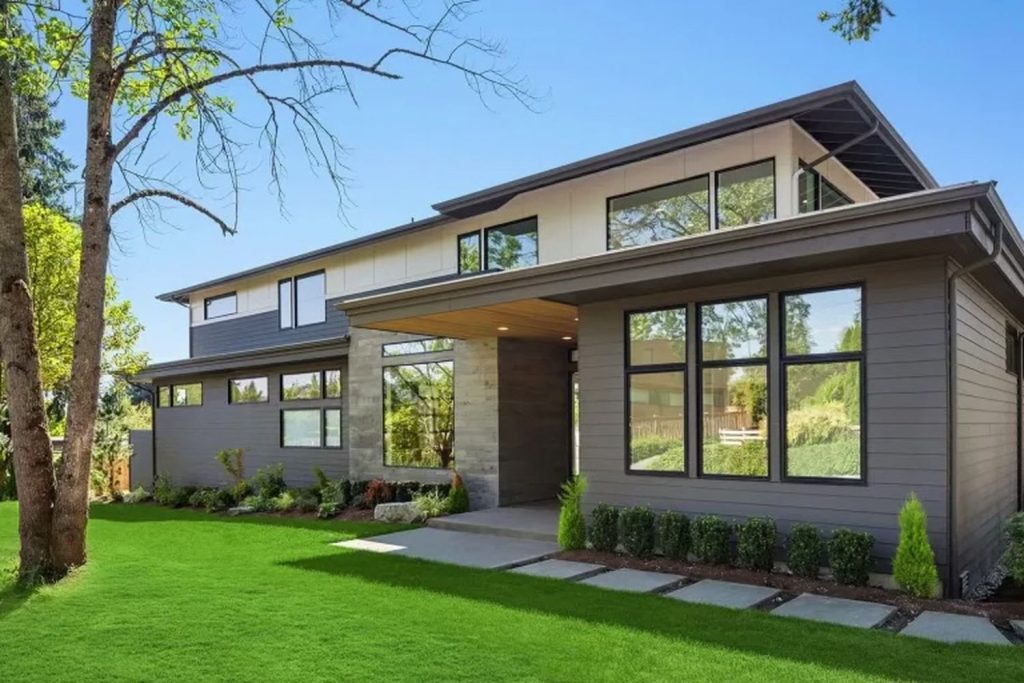
When your home no longer fits your needs, it’s time to consider a home addition. AY Development specializes in creating seamless home additions that blend with the existing structure while adding valuable space to your home. Whether you need extra bedrooms, a larger living room, or a dedicated office space, our team can design and build an addition that enhances the functionality and aesthetic of your home.
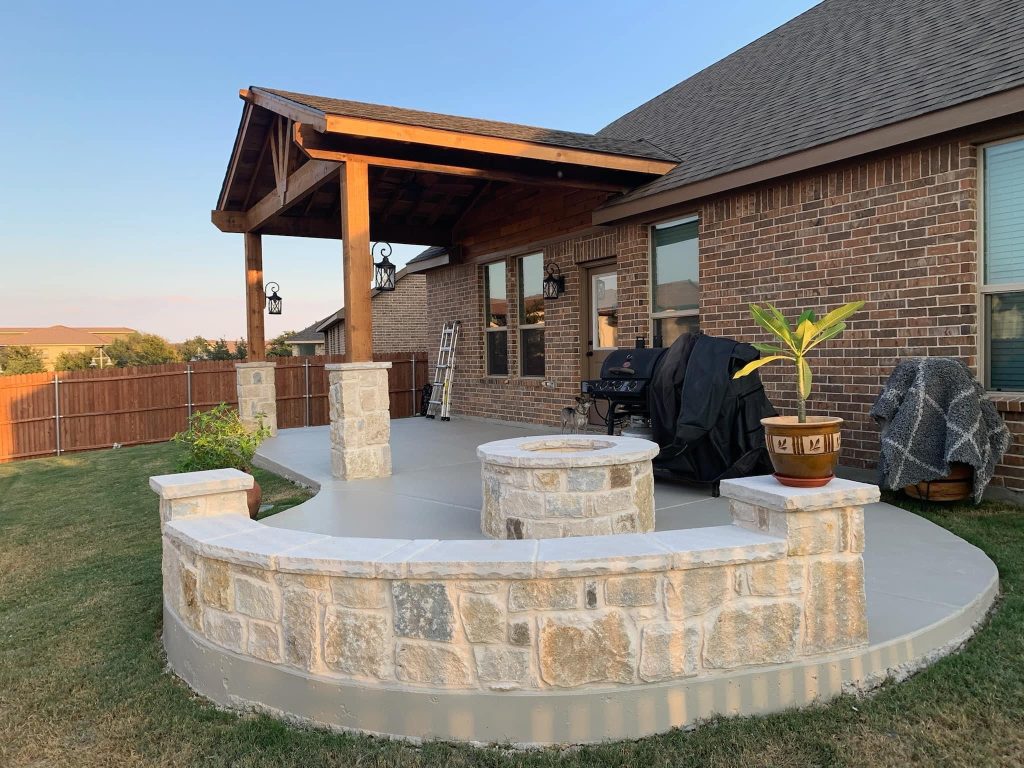
In addition to home additions, we also offer patio and outdoor kitchen building services to extend your living space outdoors. Imagine entertaining family and friends in a fully equipped outdoor kitchen or relaxing on a custom-built patio designed for comfort and style. Our experts will help you choose the best features and designs to make your outdoor living area as functional and beautiful as possible. We are proud to serve Dallas and the surrounding areas, ensuring that every project reflects our commitment to quality and customer satisfaction.