
The moment you realize that no existing house in Dallas feels quite right is often the moment custom home building starts to make sense. You’ve toured the new subdivisions, walked through beautifully staged model homes, and scrolled endless listings. Yet there’s always a compromise: the kitchen is too small, the primary suite faces the wrong direction, or the layout doesn’t fit your family’s routine. At some point, you stop asking, “Which house can we live with?” and start asking, “What if we built exactly what we want?”
Custom home building is about taking that question seriously and turning it into a plan you can walk through, room by room. It is not just about square footage or finishes; it is about designing spaces that reflect how you actually live, work, host, and relax. In a city as dynamic as Dallas, TX, where lot types, architectural styles, and lifestyle needs vary dramatically from neighborhood to neighborhood, a custom home becomes a way to express your vision with precision. With a team like AY Development guiding the process, “your vision realized” stops being a slogan and becomes a step-by-step reality.
Instead of adapting your life to someone else’s floor plan, custom building allows you to shape the house around your priorities. Maybe you want a sunlit office for remote work, a chef-level kitchen for serious cooking, or a multigenerational layout that gives everyone privacy while keeping the family close. Custom home building is the path that connects those ideas to engineering, materials, schedules, and budgets. Done right, it is both creative and practical, a collaboration between your dreams and the construction expertise needed to make them stand up to Texas heat, storms, and everyday life.
Defining Your Vision
Every successful custom home in Dallas starts long before the first shovel hits the dirt. It begins with conversations, lists, and sometimes even sketches on napkins. Defining your vision means taking the vague idea of a “dream home” and turning it into something concrete: how many bedrooms, what kind of kitchen, how much storage, what style of architecture, and how the spaces should flow together. AY Development spends time at this stage helping homeowners clarify what they truly want versus what they have simply seen in magazines or online.
One useful approach is to think about your current home: what works, what frustrates you, and what you wish you could change. Maybe your entryway is always cluttered with shoes and backpacks, or your living room never gets enough natural light. These everyday pain points are critical clues. When AY Development meets with clients in Dallas, they often ask questions about daily routines, family schedules, hobbies, and entertaining habits. The goal is to uncover the practical needs that must be met before diving into aesthetics and extras.
Style and character are another key part of your vision. Dallas neighborhoods range from modern urban infill to more traditional communities, and your custom home should feel at home in its surroundings while still reflecting your personality. Some owners want a clean-lined, contemporary design with large glass walls and minimalist detailing. Others gravitate toward transitional or classic styles with warm materials and architectural details. By gathering photos, creating mood boards, and walking through existing AY Development projects, you begin to refine what “home” should look and feel like for you.
Defining your vision also means thinking ahead. How might your needs change in five, ten, or twenty years? Will you need an extra bedroom for aging parents, a flexible space that can evolve from playroom to media room, or zero-step entries and wider doorways to support aging in place? Including these long-term considerations at the vision stage helps ensure your custom home remains a perfect fit as life changes, instead of becoming outdated as soon as your circumstances shift.
Choosing The Right Lot
The land you build on in Dallas is just as important as the house itself. Sun orientation, neighborhood character, school districts, commute times, and even soil conditions all shape what is possible. Some homeowners come to AY Development already owning a lot, while others seek guidance on how to evaluate potential sites. In either case, a careful lot analysis is essential before design truly begins.
Orientation to the sun can drastically affect comfort and energy performance. In the Texas climate, you may want to minimize harsh western exposure in main living spaces while taking advantage of soft morning light in bedrooms or kitchens. AY Development evaluates how the sun moves across the lot, where shade naturally falls, and how to position the home to balance light, views, and energy efficiency. This can influence everything from window placement to porch design and roof overhangs.
Topography and site constraints also shape the design. A sloped lot, for example, could invite a walk-out basement, split-level design, or tiered outdoor living spaces. A narrow infill lot in a central Dallas neighborhood might call for vertical design solutions, creative storage, and careful placement of windows for privacy. Zoning regulations, setback requirements, and neighborhood guidelines further influence what can be built. AY Development navigates these details so you understand the opportunities and limitations of each site before committing.
Neighborhood context matters as well. While a custom home is highly personal, it should also respect the character of its surroundings to maintain long-term value and curb appeal. AY Development helps you interpret local styles and materials in a way that feels fresh but not out of place. Whether you’re building in an established Dallas community or on a more open suburban lot, the goal is to create a home that feels naturally rooted in its environment while still expressing your unique vision.
From Concept To Detailed Design
Once your vision and lot are understood, the design process moves from big ideas to detailed plans. This is where rough sketches evolve into architectural drawings, 3D models, and construction documents. AY Development collaborates with designers and architects to translate your wish list into a layout that flows logically, maximizes your lot, and meets structural and code requirements in Dallas.
The floor plan is usually the first major milestone. Here you decide how spaces relate to one another: the relationship between kitchen and dining, the visibility of the backyard from living areas, the separation between primary and secondary bedrooms, and how guests will move through the house. AY Development often walks clients through multiple layout options, explaining the pros and cons of each. This iterative approach allows you to fine-tune circulation, privacy, and sightlines before walls are ever built.
After the general layout is approved, the focus turns to details that dramatically impact how the home feels. Ceiling heights, window sizes, door styles, and built-in storage are all considered with your daily life in mind. Does the mudroom need individual cubbies for each family member? Should the pantry include countertop space for small appliances? Would a pocket office off the kitchen help with homework and household management? AY Development encourages this level of specificity, because small design decisions often determine whether your home feels effortlessly functional or frustrating.
Exterior design and structural planning occur in parallel. Rooflines, porches, balconies, and exterior materials are chosen to balance aesthetics, durability, and maintenance demands in the Dallas climate. Structural engineers ensure the design can withstand wind loads, soil conditions, and other regional factors. By coordinating architecture, engineering, and your preferences early, AY Development reduces costly changes later and keeps your custom home project on a clear path from concept to reality.
Selections, Finishes, And Personalization
Many homeowners think of the “fun part” of custom building as choosing finishes: flooring, countertops, cabinets, tiles, fixtures, and paint colors. While this stage is enjoyable, it can also be overwhelming given the sheer number of options. AY Development guides you through a structured selection process so that each choice supports your vision, budget, and lifestyle instead of becoming a random collection of pretty things.
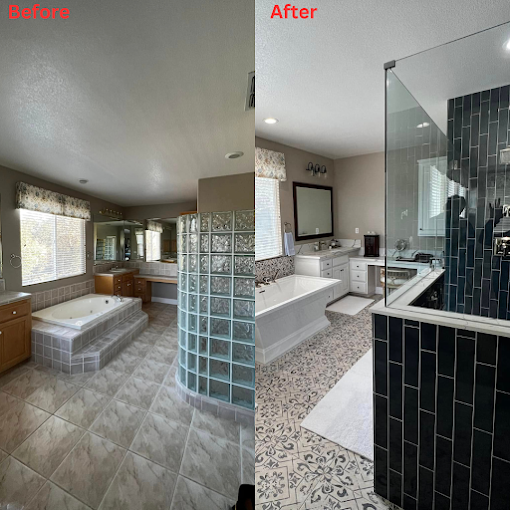
Durability and maintenance are crucial considerations in Dallas homes, especially with kids, pets, and active schedules. When selecting materials, AY Development discusses how you actually use your spaces. For example, a busy kitchen might call for highly durable countertops, thoughtfully placed task lighting, and flooring that hides dirt and stands up to heavy traffic. Bathrooms can be designed not only to look like a retreat but also to handle humidity, hard water, and daily use. If you ever want to update individual rooms later, such as a Small Bathroom Remodel, a well-planned base design makes those future changes smoother.
Personalization also extends to built-ins and custom features. Perhaps you want a reading nook under the stairs, a wall of bookshelves in the study, or a coffee bar in the primary suite. Maybe a dog wash station in the mudroom or a temperature-controlled wine room suits your lifestyle. AY Development works these ideas into the design and construction documents, making sure they are not afterthoughts but integrated elements that enhance how you live.
Color palettes and textures bring the whole home together. Instead of selecting each finish in isolation, AY Development helps you see how materials interact from room to room. The goal is a cohesive, intentional feel that reflects your personality without becoming dated quickly. Whether your taste leans bold and modern or calm and classic, guiding principles are established so each design decision supports the overall vision of your custom Dallas home.
The Construction Journey
When construction begins, your custom home shifts from drawings to physical form. This is often the most exciting and nerve-wracking stage for homeowners. AY Development understands that clear communication and transparency are essential during this phase. Regular updates, site visits, and progress meetings help you stay informed and confident as framing goes up, systems are installed, and finishes are applied.
The process typically follows a logical sequence: site preparation and foundation, framing, roofing, windows and doors, mechanical systems, insulation, drywall, and then finishes. At each stage, inspections and quality checks ensure that the house is being built to code and to your agreed specifications. AY Development coordinates with subcontractors, suppliers, and inspectors to keep the project moving efficiently while maintaining the craftsmanship standards needed for a custom home.
Unforeseen challenges can arise, especially with site conditions or supply chain issues. In these moments, the value of working with an experienced Dallas builder becomes clear. AY Development addresses problems proactively, offering solutions and explaining any necessary adjustments to timeline or scope. Instead of leaving you in the dark, they collaborate with you to make informed decisions that protect both the integrity of the home and your investment.
As the home nears completion, walk-throughs allow you to see how your early decisions have come together. You will check room sizes, lighting, fixture placements, and overall feel. Any punch-list items are documented and resolved before final handover. By the time you receive the keys, you should feel that the finished home truly reflects the vision you defined at the very beginning.
Living In Your Custom Dallas Home
The real test of a custom home is not how it looks on move-in day, but how it supports your life months and years later. When a home is thoughtfully designed and carefully built, everyday tasks become easier and special moments feel more meaningful. You might notice how morning light pours into the breakfast nook exactly as you hoped, or how the open living area comfortably hosts a big family gathering without feeling crowded.
Energy efficiency and comfort also become tangible benefits. Proper insulation, quality windows, and well-designed HVAC systems help maintain a stable indoor environment despite Dallas heat waves and seasonal swings. Over time, these decisions can reduce utility costs and increase comfort, making the home not just beautiful but also practical and cost-effective to live in.
Another advantage of a custom home by AY Development is the sense of connection you feel to the space. Because you were involved in decisions from lot selection to cabinet hardware, every corner carries a story. The mudroom bench might remind you of discussions about school-day routines; the outdoor living area might bring back the early sketches you made for weekend gatherings. This emotional connection is part of what “your vision realized” truly means.
Finally, a well-built custom home in Dallas can offer strong long-term value. Thoughtful design, quality construction, and appropriate neighborhood fit make the property attractive not only to you but to future buyers, should you ever decide to sell. Even if you never move, you gain the peace of mind that your home was purpose-built for your life, rather than assembled from compromises.
Frequently Asked Questions
How long does it take to build a custom home in Dallas? Timelines vary depending on home size, complexity, permitting, and site conditions, but most custom homes take anywhere from 10 to 18 months from initial design to move-in. The early stages of planning, design, and permitting can take several months on their own, and then construction typically runs 7 to 12 months. AY Development works with you to create a realistic schedule, provides updates along the way, and explains how factors like weather, inspections, and material availability can influence the overall duration.
Is building a custom home more expensive than buying an existing house? Upfront, a custom home often requires a higher investment than purchasing an existing property, especially in desirable Dallas neighborhoods. However, you are paying for a home tailored to your needs, built with modern systems, energy-efficient materials, and exactly the layout you want. Over time, lower maintenance costs, improved efficiency, and the absence of major renovation expenses can offset part of the initial difference. AY Development helps you establish a budget early and makes design and selection recommendations that align with your financial goals.
Do I need to own land before contacting AY Development? You do not have to already own a lot to start the conversation. Many clients reach out to AY Development while they are still exploring neighborhoods or evaluating potential sites. The team can help you understand what is feasible on different types of lots, estimate site-related costs, and identify potential red flags before you purchase land. Starting the relationship early ensures that the lot you choose is a good match for the type and size of home you want to build.
How involved will I need to be during the design and construction process? Your level of involvement can be tailored to your preferences, but custom home building is inherently collaborative. You will be most engaged during the vision, design, and selection phases, when decisions about layout, materials, and finishes are made. During construction, AY Development manages day-to-day activities and coordination, while keeping you informed through updates and scheduled site visits. You are invited to provide input at key milestones, but you are not expected to oversee trades or manage logistics—that is the builder’s responsibility.
Can AY Development incorporate sustainable and energy-efficient features? Yes, AY Development can integrate a wide range of sustainable and energy-efficient options into your custom Dallas home. This might include upgraded insulation, high-performance windows, efficient HVAC systems, tankless water heaters, and thoughtful shading strategies. Depending on your goals, they can also explore options like low-VOC finishes, water-saving fixtures, and advanced smart-home controls. These features not only reduce environmental impact but can also improve comfort and lower utility bills over the life of your home.