
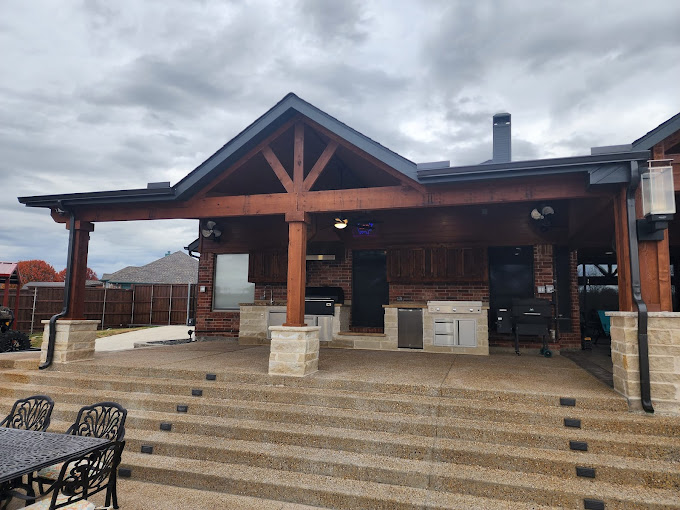
Most people start planning a patio by thinking about furniture or pavers, but that’s exactly where so many outdoor spaces go wrong. They jump straight to the “pretty” layer and skip the deeper planning: how the space will actually be used, how the sun hits the yard in Dallas summers, where the wind funnels through, and how people will move from the house to the patio. The result is a patio that looks good in photos but feels uncomfortable, overheats by 3 p.m., or never quite works for everyday life. A perfect patio is not an accident; it’s the result of dozens of small, smart decisions made in the right order.
Another common mistake is copying a design from a magazine or Pinterest board without adapting it to the specific property. Dallas, TX has its own climate, soil conditions, and architectural styles, and what works in a coastal or forested environment often fails here. A skilled patio builder, like the team at AY Development, treats each yard like a blank canvas, not a template. They consider grade changes, drainage, existing trees, and even neighborhood sightlines before suggesting layout, materials, or features. That kind of thoughtful planning is what separates a forgettable slab of concrete from a true outdoor living room you’ll actually want to use.
If you want a patio that feels like a natural extension of your home, you have to think beyond “where do we put the grill?” and start asking better questions: How many people do we entertain? Do we want a quiet retreat or a party hub? Will this be used mostly at night, on weekends, or daily? In Dallas, where outdoor living can easily stretch through three seasons, those answers shape everything from shade structures to lighting to flooring choices. The following tips will help you approach your patio project the way a professional builder does, so you end up with a space that looks beautiful, works flawlessly, and holds up to Texas weather.
Start With How You Live
Before a single line is drawn, a good patio builder asks about lifestyle, not materials. Do you host big family gatherings or prefer intimate dinners for four? Are you dreaming of a quiet spot for morning coffee, or a fully loaded outdoor kitchen where you can cook every weekend? In Dallas, many homeowners want a multifunctional space, but that doesn’t mean everything has to be crammed into one rectangular pad. AY Development often helps clients break the patio into “zones” that reflect how they really live, instead of forcing every activity into the same area.
Think of your outdoor space in terms of rooms. You might have a dining “room” near the kitchen door for convenience, a lounge “room” around a fire pit or outdoor fireplace, and a smaller, more private corner for reading or working. Each of these areas can be defined by changes in elevation, flooring pattern, or even ceiling height if you add a pergola or covered structure. When you start with function, the layout becomes obvious, and you avoid the classic mistake of buying furniture first and then realizing it doesn’t fit the way you hoped.
It’s also important to be honest about maintenance. If you love the idea of lush planters and built-in herb gardens but don’t enjoy gardening in the Texas heat, your builder can suggest lower-maintenance solutions that still give you greenery, like drought-tolerant plants in raised beds or integrated planters with irrigation. Planning your patio around your actual habits, not your idealized weekend-self, ensures the space stays inviting instead of becoming a chore.
Design For Dallas Climate
Patios that look great on paper can fail miserably if they ignore the Texas sun. In Dallas, the angle and intensity of sunlight matter as much as any design choice. A professional patio builder will study how the sun moves across your yard throughout the day and across seasons. A west-facing patio with no shade might feel fine in March but become unusable in July. That’s why AY Development evaluates orientation carefully before recommending where to place seating, dining, and cooking zones.
Shade is usually the first line of defense. Options range from solid roof extensions and covered patios to pergolas with slats, shade sails, or even integrated louvers. Each option has trade-offs. A solid roof provides the most protection and allows for ceiling fans, recessed lighting, and even outdoor heaters, but it requires structural support and careful integration with the home. A pergola offers a lighter, airier feel and can be customized with climbing plants or adjustable shade elements. In Dallas, combining both—solid cover over the main seating area and filtered shade elsewhere—often gives the best balance of comfort and light.
Heat management goes beyond shade. Reflective or lighter-colored materials, proper ventilation, and strategic landscaping all contribute to comfort. Light-toned pavers or concrete can help reduce surface temperature compared to dark stone. Ceiling fans under covered areas keep air moving, making summer evenings far more enjoyable. Trees, shrubs, and privacy screens can block hot winds and create cooler microclimates. When all of these elements are considered together, your patio becomes a place you can use from spring through late fall, not just a few mild weeks a year.
Get The Layout And Flow Right
Many patios feel awkward not because of their size, but because of poor circulation. A well-designed patio lets people move naturally between the house, the yard, and different functional zones without squeezing past chairs or walking behind the grill every time they go inside. A builder experienced with outdoor layouts will think in paths: where people enter and exit, where they’ll carry food, and how groups will gather and disperse during a party. In Dallas homes, where the kitchen often opens toward the backyard, aligning the patio’s dining area with that exit point can make entertaining dramatically easier.
Scale is another key part of flow. Oversized patios can feel barren and under-furnished, while patios that are too small become cluttered quickly. A good rule of thumb is to allow comfortable circulation space around furniture: enough room for chairs to slide back without falling off the edge, and walking lanes that don’t force people to turn sideways. AY Development often uses painter’s tape or temporary markers to outline proposed layouts on-site so homeowners can “walk” the space before construction begins. This simple step reveals bottlenecks and awkward corners early, when changes are still easy.
Transitions between indoor and outdoor spaces also deserve careful attention. A patio that sits too low or too high can create a jarring step that’s inconvenient and potentially unsafe. Ideally, the patio feels like a natural extension of your interior flooring, with minimal level change and a door that opens without obstruction. Thoughtful use of steps, seat walls, or planters can handle grade changes gracefully while adding seating and visual interest. When flow is handled well, the patio stops feeling like a separate area and starts functioning as an extension of your home’s square footage.
Choose Materials That Match Your Home
Material selection is where many homeowners get overwhelmed. There are concrete, pavers, natural stone, composite decking, and more, each with pros and cons. In Dallas, durability under intense sun and occasional freezes is crucial, but so is aesthetic harmony with the home. A professional builder like AY Development looks first at your house: its brick or siding color, roof tone, architectural style, and existing hardscapes. The goal is not to match every element exactly, but to create a coordinated palette that feels intentional and cohesive.
Concrete is often the most budget-friendly option and can be stamped, stained, or scored to add character. However, it must be installed correctly with proper reinforcement and expansion joints to minimize cracking, especially given the soil movement common in North Texas. Pavers offer flexibility and repairability; individual units can be replaced if damaged, and patterns can define different zones. Natural stone, such as flagstone, adds a high-end, organic look but requires careful installation to avoid uneven surfaces and water pooling. Your builder will weigh not just appearance and cost, but also how each material behaves in local conditions.
Texture and slip resistance are also important, particularly around pools or in areas that may get wet. Smooth surfaces can become slippery, while overly rough finishes may be uncomfortable under bare feet. In addition, consider how materials age. Some patinas beautifully over time, while others may fade or show stains more readily. A good patio builder will walk you through real-world examples, not just showroom samples, so you understand how your choices will look in five or ten years under Dallas sun and occasional storms.
Plan For Lighting, Power, And Features
Many patios are built as “blank slates” with the intention of adding features later, but that approach often leads to visible wires, awkward lighting, and limited options. The best time to plan for lighting, power, gas lines, and even audio is before construction begins. Even if you don’t install every feature on day one, running conduit or stubs now makes future upgrades far easier and less expensive. AY Development often incorporates infrastructure for future heaters, outdoor TVs, or additional fixtures during initial construction, so homeowners can grow into their space over time.
Lighting deserves special attention because it shapes how your patio feels after dark. Layered lighting works best: ambient lighting from overhead fixtures or wall sconces, task lighting near cooking and dining areas, and accent lighting on steps, landscaping, or architectural features. In Dallas, where evenings can be warm and inviting, a well-lit patio effectively doubles your usable living space. Properly placed lights also improve safety, reducing the risk of trips on steps or edges without turning your yard into a floodlit stadium.
Think, too, about the amenities that will truly enhance your lifestyle. An outdoor kitchen might include just a built-in grill and counter space, or it could expand to a sink, refrigerator, and storage. A fire feature can range from a simple gas fire pit to a full masonry fireplace. Water features, integrated seating walls, and even outdoor fans or misters can transform comfort levels. The key is to prioritize. Not every space needs every feature; a good builder helps you decide where to invest for the greatest daily enjoyment, rather than loading the patio with elements that look impressive but rarely get used.
Respect Drainage, Grading, And Structure
Some of the most critical patio builder tips are the least glamorous. Drainage and grading are rarely visible in finished photos, but they determine whether your patio stays dry and stable or becomes a constant headache. In Dallas, heavy downpours can overwhelm poorly planned patios, sending water toward the house or causing erosion around edges. A professional like AY Development will evaluate slope, soil type, and existing drainage patterns before deciding where and how to build. The patio should gently direct water away from your home’s foundation and toward appropriate drainage points.
Grading involves more than just tilting the patio slightly. Sometimes swales, French drains, or surface drains are necessary to handle runoff, especially on sloped lots. Ignoring these details can lead to standing water, slick surfaces, and even foundation issues over time. In addition, structural considerations matter if you plan to add heavy features like fireplaces, large kitchens, or roofs. These elements may require deeper footings or piers to prevent settling. Cutting corners here can cause cracking, shifting, or separation from the house.
Finally, local codes and permitting should never be an afterthought. In Dallas, certain structures, gas lines, electrical work, and attachments to the home may require permits and inspections. Working with a knowledgeable contractor ensures the patio isn’t just attractive, but also safe and compliant. It also protects you when it’s time to sell; additions built without proper approvals can complicate real estate transactions. A well-built patio is an investment in your property, and that means doing the unseen work right from the start.
Frequently Asked Questions
How big should my patio be for entertaining in Dallas? The ideal size depends on how you entertain. For a typical family that hosts small gatherings, a patio around 300–400 square feet often works well, allowing space for a dining table, a small seating area, and circulation. If you regularly host larger groups, you may want 500–700 square feet divided into zones so guests can spread out comfortably. AY Development usually starts by mapping your existing or planned furniture to scale and then adds walking paths and clearances, ensuring the patio feels spacious without overwhelming the yard.
What are the best patio materials for Dallas weather? In Dallas, you want materials that handle intense sun, temperature swings, and occasional heavy rain. High-quality concrete, pavers, and natural stone are all strong options when installed correctly. Concrete is cost-effective and versatile but must be reinforced and jointed properly to resist cracking. Pavers offer flexibility, easy repair, and good drainage between joints. Natural stone provides a premium look and stays relatively cool underfoot, but it requires careful selection and installation. A professional builder will guide you toward materials that complement your home and perform well on your specific site.
Do I really need a covered area on my patio? While it’s not mandatory, a covered area dramatically increases how often you can use your patio in Dallas. Shade and protection from light rain make outdoor dining, lounging, and even working more practical. A covered section allows for ceiling fans, integrated lighting, and sometimes outdoor heaters, turning the patio into a true all-weather extension of your home. Many homeowners combine a covered core area with open or pergola-covered sections to balance budget, light, and flexibility.
How early should I plan lighting and electrical for my patio? Lighting and electrical should be planned at the same time as the layout, well before construction begins. Even if you don’t install every fixture right away, having conduit, junction boxes, and circuits in place makes future upgrades clean and cost-effective. This is especially important for outdoor kitchens, fire features, sound systems, and TVs. AY Development typically includes an electrical and lighting plan as part of the design process, so your patio is ready for both current needs and future enhancements.
Can a patio project be phased over time? Yes, many Dallas homeowners choose to build their patio in phases, especially when adding features like outdoor kitchens, fireplaces, or additional hardscapes. The key is to plan the full vision upfront, including drainage, utilities, and structural needs, then prioritize what gets built first. For example, you might start with the main patio surface and basic cover, while running gas and electrical lines for a future kitchen or fire feature. Working with a contractor who understands long-term phasing ensures each step fits seamlessly into the final design. For broader home improvements, AY Development also provides services such as Custom Home Builders, ensuring your indoor and outdoor projects align with a cohesive vision.