
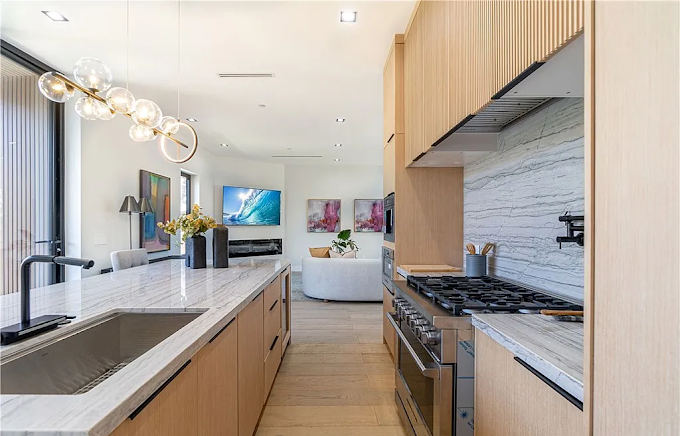
Home Additions Designed For Seamless Family Flow
A growing number of Dallas families are choosing to stay in the neighborhoods they love instead of moving—yet they still need more space. With home prices in DFW up more than 40% over the last five years, expanding your current home with a thoughtful addition can often be more cost-effective than buying bigger. The challenge is making sure that new space feels like it has always been part of your home, both in look and in how your family actually lives day to day.
If an addition feels disconnected—awkward hallways, dark corners, or rooms no one uses—you’ve invested in square footage, not quality of life. The real value is in creating a seamless flow: spaces that support homework and meal prep, quiet work calls and Saturday game days, aging parents and growing kids.
In this guide, you’ll learn how to plan home additions that work with your existing layout, how to connect indoor and outdoor living, what to budget for in Dallas, and how AY Development approaches design-build projects that truly fit your family’s rhythm.
Key Insight: A successful home addition is less about “more rooms” and more about better circulation, sightlines, and flexibility so your family can move, gather, and retreat comfortably—without feeling like you live in a patchwork of projects.
Rethinking Space: How Your Family Actually Lives Today
Before talking square footage, it helps to understand how your family uses the space you already have. In Dallas, many homes built in the 80s and 90s have formal living and dining rooms that sit mostly empty, while cramped kitchens and small family rooms do the heavy lifting.
We often start projects by walking through a typical weekday with our clients:
- Where do backpacks and bags land after school?
- Who’s in the kitchen at 6 p.m.—and what are they doing?
- Where do you fold laundry, pay bills, or take Zoom calls?
- Where do kids hang out when friends come over?
One North Dallas family came to us convinced they needed a full second-story addition. After reviewing their layout, it became clear they had a large, underused formal living room and a closed-off kitchen. Instead of building up, we reconfigured the first floor with a custom kitchen remodel, expanded the family room, and added a modest rear bump-out for a mudroom and homework nook. The result: the same square footage they thought they needed—but used far more efficiently and at a lower cost.
“The best addition projects start with honest conversations about lifestyle, not floor plans.” — AY Development Design Team
Strong family flow often comes from:
- Sightlines between kitchen, dining, and living spaces
- Clear “drop zones” near entries
- Quiet pockets away from main activity
- Logical circulation that avoids long, narrow hallways
Once those patterns are clear, we can talk about house extensions that support them instead of fighting them.
Designing Additions That Blend With Your Existing Home
A well-designed addition should be almost invisible to a stranger walking through your home. They shouldn’t be able to point and say, “This is the old part, that’s the new part.” Achieving that seamless feel requires attention to structure, finishes, and scale.
In Dallas, we see plenty of “afterthought” additions: a step down into a sunroom that’s always too hot, a second-story that overpowers a one-story street, or a primary suite tacked on with mismatched rooflines. Our approach at AY Development is to treat your home like a whole ecosystem.
Key design considerations
- Circulation: How will traffic flow between old and new spaces?
- Structure: Can we remove walls to open up space without compromising support?
- Light: Will the addition block natural light from existing rooms?
- Scale: Does the exterior massing fit the neighborhood and lot size?
A Lakewood family wanted a new primary suite, but their existing home had a beautiful back patio and mature trees. Instead of a large rear extension that would eat the yard, we created a side addition that extended the existing hallway, matched ceiling heights, and continued original trim profiles. From inside, it feels like the house was always built that way. From outside, the roofline steps down gracefully, matching neighboring homes.
CALLOUT: A good test: if you can stand in the center of your home and see consistent flooring, trim, and ceiling heights in all directions, your addition is likely well integrated.
For larger projects, many homeowners consider working with Custom Home Builders who understand both new construction and complex tie-ins to existing structures. That hybrid expertise is especially important when you’re adding a second story or significantly reworking the footprint.
The Heart of Family Flow: Kitchens, Dining, and Everyday Living
Most Dallas families we work with want the same core change: a kitchen that functions as the true hub of the home. That usually means opening sightlines to living and dining areas, adding storage, and creating flexible seating for everything from quick breakfasts to birthday parties.
Even if your primary goal is a Kitchen Renovation, it often makes sense to think about it as part of a broader home addition strategy. Expanding a kitchen by just a few feet—pushing into the yard or reworking adjacent rooms—can completely transform how your family moves through the space.
A Dallas kitchen expansion case study
In Richardson, a family with three kids had a small, U-shaped kitchen cut off from the den. We removed a load-bearing wall, added a 6-foot rear bump-out, and reoriented the layout:
- Large island with seating for five
- Built-in banquette along new windows
- Walk-in pantry tucked into the addition
- Direct access to a new covered patio
They originally searched for “Kitchen Remodeling Near Me” but realized quickly that a small addition, not just new cabinets, was the key to solving their traffic and storage problems.
“We used to trip over each other making dinner. Now the kids do homework at the island while we cook, and it doesn’t feel crowded.” — Homeowner, Richardson
A similar approach applies to bathrooms. A smart Small Bathroom Remodel—borrowing a bit of space from a closet or hallway, or tying into a modest addition—can turn a cramped hall bath into a functional family space. For growing families, we often pair a Bathroom Renovation with a new laundry room or mudroom addition to keep messy traffic away from the main living areas.
Indoor–Outdoor Flow: Patios, Outdoor Kitchens, and Year-Round Living
Dallas weather gives you nearly nine months of potential outdoor living. When you’re planning a home addition, it’s wise to think about your yard as part of the overall family flow, not an afterthought.
We frequently design additions that open directly to:
- Covered patios with seating and dining
- Luxury Outdoor Kitchens for entertaining
- Shaded play areas where kids can be seen from the kitchen
- Pools and fire pits that extend the living room outdoors
A family in Frisco wanted more space for entertaining but didn’t want to lose their backyard. We designed a modest family room addition with a 12-foot sliding door system that opens to a new covered patio. Outside, we built a fully equipped outdoor kitchen with grill, sink, refrigerator, and storage—installed by our experienced Outdoor Kitchen Contractors. The result is a continuous indoor-outdoor zone that works for a quiet family night or a 30-person party.
“Outdoor rooms are often the most cost-effective ‘additions’ you can build, especially when they’re directly connected to a renovated kitchen or living space.” — AY Development Project Manager
Here’s how traditional “back door and small slab” setups compare with integrated outdoor living designs in Dallas:
| Approach | Typical Features | Pros in Dallas | Cons in Dallas |
|---|---|---|---|
| Traditional Small Patio | Single door, small concrete pad | Low upfront cost, quick to build | Limited shade, poor flow, underused space |
| Integrated Patio + Outdoor Kitchen | Large doors, roof cover, full kitchen | Extends living space, great for hosting | Higher upfront cost, needs careful design |
Thoughtful indoor–outdoor flow also adds long-term value. Buyers in Dallas consistently pay more for homes with usable, well-designed outdoor living spaces that connect naturally to the interior.
Planning, Permits, and Budgets: Dallas-Specific Realities
Design is only half the story. In Dallas, home additions must navigate local zoning rules, HOA requirements, and practical budget considerations. Working with a contractor who understands the city and surrounding suburbs can save months of frustration.
Typical cost ranges in Dallas
Every project is unique, but here’s a rough comparison of common approaches we see:
| Project Type | Typical Dallas Range (2026) | Best For |
|---|---|---|
| Interior Reconfiguration Only | $40,000 – $90,000 | Improving flow without adding square footage |
| Small Rear/Side Addition (150–300 sf) | $80,000 – $180,000 | Mudrooms, breakfast nooks, small office |
| Large Family Room / Primary Suite | $180,000 – $350,000+ | Major lifestyle upgrades, aging in place |
| Second-Story Addition | $250,000 – $500,000+ | Maxing space on smaller lots |
| Integrated Outdoor Living + Kitchen | $60,000 – $150,000+ | Entertaining and indoor–outdoor living |
For some families, starting fresh with New Home Construction can make sense, especially if the existing home has structural or foundation issues. For others, a well-planned addition is the smarter financial and emotional choice—staying in a neighborhood you love while tailoring the home to your needs.
Dallas also has specific setback rules and lot coverage limits that affect where and how much you can build. Older neighborhoods near White Rock Lake, for example, often have stricter guidelines and engaged neighborhood associations.
“A realistic budget and a clear permit strategy up front are what keep addition projects on schedule and out of trouble.” — AY Development Owner
Our team at AY Development manages permitting, inspections, and coordination with HOAs, so your project moves smoothly from concept to completion.
Beyond Square Footage: Flex Rooms, Multi-Generational Living, and Future-Proofing
The best home additions anticipate how your family might live five or ten years from now, not just this season. In Dallas, we’re seeing strong demand for flexible, multi-use spaces and accommodations for multi-generational households.
Flex and bonus rooms
Rather than building highly specialized rooms, many families prefer spaces that can evolve:
- A playroom that becomes a teen hangout, then a home office
- A guest room that can later serve as a caregiver’s suite
- A hobby room that converts to a quiet study
One Plano family asked for a dedicated “craft room,” but after talking through future needs, we designed a slightly larger flex room as part of their rear addition. We included built-in storage, a pocket door, and pre-wiring for a wall bed. Today it’s an art space and homework room; in ten years, it could be a secondary suite.
Multi-generational and aging-in-place
We’re also building more first-floor bedroom suites with accessible Bathroom Vanity Installation, wider doorways, and curbless showers. These spaces work as guest suites now and can support aging parents or aging-in-place later.
For some properties with existing lower levels, Basement Finishing can also be a way to add living space without expanding the footprint. While true basements are less common in many Dallas neighborhoods, homes that do have them can benefit from thoughtful layout, moisture control, and integration with the main floor flow.
A well-planned Home Addition Near Me search should lead you to a builder who asks about your 5–10 year outlook, not just your current wish list. That long view helps ensure your investment continues to pay off as life changes.
What This Means for Homeowners in Dallas, TX
Dallas is a city that’s still growing—both out and up. That growth shows up in tight housing inventory, competitive bidding, and rising property values across the metroplex. For many homeowners, staying put and investing in a smart addition is more appealing than entering a hot market and overpaying for a larger home that still may not fit their needs.
Local context matters:
- Lot sizes in areas like Lake Highlands or Preston Hollow lend themselves to rear or side additions.
- Smaller lots in parts of East Dallas or Oak Lawn may benefit more from second-story expansions.
- HOA guidelines in suburbs like Frisco, McKinney, and Allen can shape what’s possible on your property.
Choosing a partner like AY Development—rooted in Dallas, familiar with city permitting, and experienced in both additions and full custom homes—means your project is designed for your specific street, not just generic Texas conditions.
Most importantly, families here live active, busy lives. Kids’ sports, remote work, hosting friends and extended family—your home has to keep up. Whether it’s a Luxury Kitchen Remodel, a new primary suite, a flexible bonus room, or an outdoor living hub, the goal is the same: spaces that feel natural, connected, and easy to live in.
A well-executed addition doesn’t just add value on paper. It gives you daily moments of ease: a place to drop bags, a quiet spot to work, room to cook while everyone gathers around. That’s the kind of flow that makes staying in your Dallas home the best decision you’ve made.
Frequently Asked Questions
Q: How do I know if my Dallas home is a good candidate for an addition instead of moving?
A: Start by looking at three factors: your lot, your neighborhood, and your structure. If your lot has reasonable side or rear setbacks and enough yard, a ground-level addition may be feasible. If you love your neighborhood schools, commute, and community, staying and investing in a Home Addition Near Me can make strong financial sense, especially with current home prices. Structurally, most slab-on-grade Dallas homes can support additions, but second stories require careful engineering. AY Development can assess your property, review zoning and HOA rules, and provide a realistic picture of what’s possible before you commit.
Q: Is it better to remodel my kitchen first or plan a full addition that includes it?
A: If you suspect your kitchen is undersized or poorly located, it’s wise to think holistically. A standalone Kitchen Renovation can refresh finishes and layout, but if you later decide to add on, you may have to undo some of that work. We often recommend a master plan that considers potential additions, even if you phase the work. That way, a current Custom Kitchen Remodel is designed to align with future expansions, saving you money and disruption down the road.
Q: What permits and approvals are required for house extensions in Dallas?
A: Most house extensions and structural changes in Dallas require building permits, inspections, and sometimes zoning review. If you’re in an area with a strong neighborhood association or historic district, additional design approvals may be needed. Suburbs around Dallas each have their own requirements and setback rules. AY Development handles permitting on your behalf, including site plans, engineering coordination, and scheduling inspections. This is especially critical for projects involving second stories, significant structural changes, or attached garages, where city review is more detailed.
Q: How disruptive is a home addition project to daily family life?
A: Any major construction brings some disruption, but smart planning reduces the impact. For many additions, we can build much of the new structure “outside” your current living space and then open the connection later in the process. Kitchen and Bathroom Renovation work is more intrusive, so we help families set up temporary cooking or bathing areas when needed. We also sequence work to maintain safe access and minimize time without essential utilities. Clear timelines, daily site cleanup, and regular communication are central to how AY Development manages projects in occupied homes.
Q: Can I add a luxury outdoor kitchen and patio without doing a full interior remodel?
A: Yes. Many Dallas homeowners start with outdoor living to quickly boost usable space and enjoyment. Our team designs and builds Luxury Outdoor Kitchens that function as complete cooking and entertaining zones, often paired with covered patios from our patio builder services. Even without interior changes, adding large sliding doors or French doors from your existing living room or dining room can significantly improve flow. Later, if you choose to remodel your kitchen or expand interior spaces, we can integrate those with your existing outdoor investment.
Q: How do additions compare in cost and value to building a new custom home?
A: The answer depends on your current home’s condition and your goals. If your home needs extensive structural work, major layout changes, and full-system upgrades, working with Custom Home Builders on a new build may be more efficient. However, for many Dallas homeowners who like their home’s bones and location, a strategic addition paired with targeted remodeling delivers excellent value. You avoid moving costs, higher property taxes from a more expensive purchase, and the emotional cost of leaving your neighborhood. Our team can provide side-by-side estimates for a large-scale addition versus New Home Construction so you can make an informed decision.
Q: How do I choose the right contractor for a seamless addition in Dallas?
A: Look for a builder with specific experience in additions, not just interior remodeling. Ask to see projects where new and old spaces blend seamlessly, and request references from clients who lived in the home during construction. Verify that the contractor is comfortable managing everything from structural engineering to finish carpentry, and that they understand local codes and inspection processes. At AY Development, we combine addition experience, full-home remodeling, and ground-up building, which gives us a comprehensive view of how all parts of your home work together.
Ready to Get Started?
Dallas is in a season of growth, and construction schedules fill quickly—especially for larger addition projects that require more planning and permitting. If you’re thinking about adding space in the next 12–18 months, the best time to start the conversation is now. Early design work allows us to lock in a realistic budget, coordinate with engineers and the city, and schedule your project for a season that works best for your family.
AY Development offers a collaborative design-build process for additions, from reimagining your kitchen and living spaces to creating multi-generational suites and integrated outdoor living. Whether you’re dreaming of a Luxury Kitchen Remodel, a new primary suite retreat, or an expansive indoor–outdoor entertaining area, our team will guide you through each decision with clear options and honest recommendations.
Take the next step toward a home that truly fits your family’s flow. Reach out to schedule a consultation, walk us through your daily routines, and explore what’s possible on your lot and with your budget. Your future home might be the one you’re already in—just thoughtfully expanded.
About AY Development
AY Development is a Dallas-based residential contractor specializing in home additions, whole-home remodeling, and custom home building. With years of experience across the DFW area, our team blends design insight with meticulous construction standards to create spaces that look beautiful and work effortlessly for modern family life. From kitchens and bathrooms to full-scale additions and outdoor living, we’re committed to craftsmanship, transparency, and lasting value for our neighbors in North Texas.