
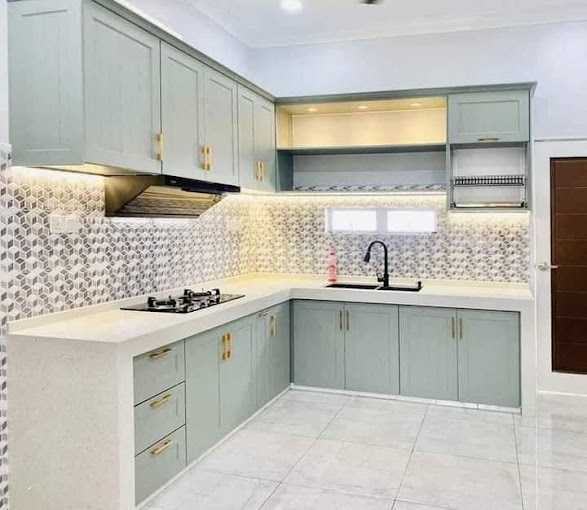
Most small kitchen remodels go wrong before the first cabinet is ever removed. Homeowners obsess over finishes, colors, and trendy fixtures, but ignore the two things that matter most in a compact space: circulation and functionality. In a small Dallas kitchen, it’s not the new backsplash that changes your life; it’s whether you can open your dishwasher, stand at the sink, and access the trash can without playing a game of human Tetris.
Another common mistake is assuming that “small” automatically means “limited.” In reality, a small kitchen can work harder per square foot than a large, poorly planned one. The key is intentional design: layers of storage, flexible work zones, and smart use of vertical and hidden spaces. When AY Development works on small kitchen remodels in Dallas, TX, the goal isn’t to squeeze more stuff into the room; it’s to make every inch earn its keep while still feeling open, comfortable, and visually calm.
Kitchen remodeling solutions for small spaces are less about shrinking appliances and more about reshaping how the kitchen functions for your specific lifestyle. Do you cook nightly or mostly reheat? Do you entertain often, or is the kitchen a solo workspace? Once those questions are answered, layout, cabinetry, lighting, and finishes can be orchestrated into a compact, highly efficient space that feels significantly larger than it measures on paper.
Rethinking The Kitchen Layout
In small Dallas homes, townhomes, and condos, the layout is often the single biggest obstacle to a successful kitchen. Many older properties have closed-off galley kitchens or awkward L-shaped spaces where every appliance competes for elbow room. AY Development often begins by studying traffic patterns: how you move from the fridge to the sink, where guests tend to stand, and how the kitchen connects to adjacent rooms. Even a minor shift—like relocating the refrigerator or widening a doorway—can dramatically change how spacious the room feels.
For narrow kitchens, a refined galley layout can be a powerful solution if it’s optimized correctly. That means aligning the “working triangle” (sink, stove, refrigerator) so that you have clear, uninterrupted paths between them. Deep drawers instead of lower cabinets, integrated trash pull-outs, and tall pantry units at the ends can turn what once felt like a corridor into a sleek, efficient workspace. In many Dallas remodels, removing a short length of wall or a poorly placed peninsula can open sightlines to the living room or dining area, instantly reducing the sense of confinement.
Open-plan layouts are popular, but they are not automatically the answer for every small kitchen. Sometimes a partial opening—a pass-through window, a widened cased opening, or a low wall with a countertop overhang—delivers most of the benefits of an open concept without sacrificing valuable wall space for cabinets. AY Development evaluates structural conditions, mechanical runs, and budget to determine where strategic openings can be created safely and cost-effectively, so that your small kitchen connects visually with the rest of your home while preserving functional surfaces.
For condos and urban infill homes in Dallas, AY Development may also explore “micro-zoning” within the layout. This means deliberately carving out mini-areas: a compact coffee station carved into a corner, a baking zone with rollout trays near the oven, or a snack hub close to the refrigerator. These micro-zones prevent crowding by directing different tasks to different areas, allowing multiple people to use a small kitchen at the same time without constantly bumping into each other.
Maximizing Storage Without Clutter
Storage is usually the first concern when homeowners think about small kitchen remodeling, but the instinct to add as many cabinets as possible can backfire. Overloading a small kitchen with heavy, boxy uppers on every wall makes the room feel compressed. AY Development approaches storage as a layered strategy: using the right combination of full-height cabinetry, specialized inserts, and open or semi-open elements to create capacity without visual chaos.
One of the most effective solutions is taking cabinets all the way to the ceiling. In many Dallas homes, there is a 12- to 18-inch gap above the upper cabinets that collects dust but serves no real purpose. By installing full-height cabinets, that space becomes valuable storage for seasonal items, entertaining pieces, or less frequently used appliances. The uppermost doors can be kept simple and streamlined so the room still feels clean and modern.
Inside the cabinets, organization becomes just as important as the exterior design. Deep drawer systems for pots and pans, pull-out trays for pantry items, vertical dividers for baking sheets, and corner carousels all help eliminate wasted space. AY Development often incorporates customized inserts tailored to how you cook and store items, turning awkward nooks into highly functional storage. Narrow pull-outs next to the range can house oils and spices; toe-kick drawers can store flat items like baking sheets or cutting boards without stealing visual space.
Open shelves, glass-front cabinets, or a mix of both can be powerful tools in a small kitchen if used selectively. A short run of open shelves near a window or over a coffee bar can visually lighten the room while still providing everyday storage. The key is editing: keeping these areas dedicated to attractive, frequently used items so they don’t become clutter magnets. AY Development helps clients in Dallas balance closed storage for the bulk of their belongings with a few intentional display areas that enhance character and avoid a boxed-in feeling.
Smart Appliance Choices And Placement
Appliances are often oversized relative to the needs of a small household. A 36-inch professional range may look impressive in a showroom, but in a compact kitchen it can steal valuable counter space and storage. AY Development works with clients to choose appliances that truly match their cooking habits. For a two-person household that mostly cooks simple meals, a 24- or 30-inch range paired with a well-designed prep counter can be far more practical than a massive cooktop that dominates the room.
Counter-depth refrigerators are another game-changer in small Dallas kitchens. Standard-depth units can protrude significantly, disrupting the flow and encroaching on walkways. A counter-depth or built-in-style refrigerator aligns with cabinetry, creating a clean, integrated look and more comfortable movement through the space. In particularly tight plans, AY Development may recommend column-style refrigeration or under-counter fridge drawers to distribute cold storage in a more space-efficient way.
Dishwashers, microwaves, and ventilation also demand thoughtful placement. A slim 18-inch dishwasher can be plenty for a small household and frees up precious inches of cabinet space. Microwaves can be tucked into base cabinets, appliance garages, or built into tall pantry units instead of occupying the most valuable counter areas. For ventilation, a well-sized, quiet hood that is properly vented to the exterior is crucial, especially in open or semi-open layouts where cooking odors can travel into living spaces.
Integrated and panel-ready appliances further elevate the sense of spaciousness. By blending the refrigerator and dishwasher fronts with surrounding cabinetry, the visual noise in the room is reduced, making the kitchen feel more seamless and less crowded. AY Development collaborates with appliance vendors and cabinet makers in Dallas to ensure that these integrated pieces fit perfectly and operate comfortably within the compact footprint.
Light, Color, And Visual Tricks
Even the best layout can feel cramped if the lighting and color choices are wrong. Small kitchens often suffer from a single overhead fixture that casts shadows and makes corners feel dark and tight. AY Development prioritizes layered lighting: recessed ceiling lights for general illumination, under-cabinet lights for task work, and, where possible, a decorative fixture or two to add personality. This layered approach eliminates gloomy spots and gives the eye multiple focal points, which psychologically expands the room.
Under-cabinet lighting is particularly important in compact spaces. When countertops are well lit, the work areas feel larger and more inviting. In Dallas homes with limited natural light, AY Development often uses warm-to-neutral LED strips or puck lights under the upper cabinets, connected to dimmers so you can adjust brightness throughout the day. This not only improves function, it also turns the countertop and backsplash into a softly glowing plane that visually widens the room.
Color and material choices can dramatically influence how big or small your kitchen feels. Lighter tones for walls, cabinets, and backsplashes tend to bounce light around and soften edges. That doesn’t mean everything must be white; soft grays, greiges, light blues, or pale greens can all work beautifully in Dallas homes. AY Development often pairs light perimeter cabinets with a slightly deeper tone on the base cabinets or island to ground the space while keeping the overall feel airy.
Reflective surfaces are another subtle but powerful tool. Glossy tiles, satin or semi-gloss paint, and even strategically placed mirrored elements can amplify natural and artificial light. Minimalistic hardware, simple door profiles, and continuous countertop materials help avoid visual fragmentation. The fewer abrupt stops and starts your eye encounters, the more serene and expansive the kitchen will seem, even when the footprint is modest.
Multifunction Surfaces And Hidden Features
In a small kitchen, every surface should be capable of doing double or triple duty. AY Development often introduces multifunction elements that expand your workspace only when you need it. For example, a pull-out cutting board above a trash pull-out offers a dedicated prep station that disappears when not in use. Fold-down or slide-out counter extensions at the end of a run can provide extra room for baking, serving, or entertaining without permanently consuming floor space.
Islands and peninsulas in small kitchens must be carefully considered. Instead of a bulky island that chokes circulation, a narrow, mobile island with storage underneath can be moved aside when you need more floor area. A peninsula with a modest overhang can serve as both prep surface and dining counter, eliminating the need for a separate breakfast table in tight Dallas homes. AY Development designs these pieces so that clearances around them meet practical standards, ensuring that cabinet doors and appliances can open fully without conflict.
Hidden features add a sense of luxury and convenience that belies the kitchen’s size. Appliance garages can conceal toasters, blenders, and coffee machines behind pocket doors, keeping counters visually clean. Pop-up outlets in countertops or along backsplashes reduce clutter from power strips and extension cords. Narrow vertical pull-outs can hide brooms, mops, or step stools, which are often difficult to store in small spaces but essential for reaching tall cabinets.
AY Development also looks beyond the kitchen walls when needed. In some Dallas properties, reconfiguring an adjacent closet, laundry area, or small hallway can yield additional pantry or storage space that indirectly supports the kitchen. By thinking of the kitchen as part of a larger ecosystem rather than an isolated room, it becomes possible to create a more livable and flexible home overall, even if the kitchen itself remains compact.
Working With AY Development In Dallas
Remodeling a small kitchen in Dallas, TX requires a careful balance of creativity, technical knowledge, and realistic budgeting. AY Development brings local experience with Dallas building codes, typical framing and mechanical systems, and the unique challenges of everything from older bungalows in established neighborhoods to modern townhomes and condos. This context allows the team to quickly identify which walls can be moved, where plumbing can be rerouted, and what structural changes are practical within your budget.
The design process begins with listening. AY Development spends time understanding how you actually live: how many cooks are in the kitchen, whether you work from home at the counter, if you entertain frequently, and how long you plan to stay in the home. These details shape decisions about layout, storage, and materials more than trends ever should. A small kitchen that is tailored to your real habits will always feel larger and more satisfying than one that simply copies a magazine photo.
Material and finish selections are approached strategically. Durable, low-maintenance surfaces that stand up to daily use are essential, especially when every inch is heavily utilized. AY Development helps clients choose countertops, cabinetry finishes, flooring, and backsplashes that not only complement Dallas’s climate and lifestyle but also support the visual goals of brightness and spaciousness. The result is a compact kitchen that ages gracefully and remains practical long after the remodel is complete.
For homeowners considering broader upgrades, AY Development can also integrate the kitchen project with other improvements, such as opening the kitchen to a living area or coordinating finishes with nearby spaces or even outdoor living enhancements like Luxury Outdoor Kitchens. This holistic approach ensures that your small kitchen remodel doesn’t just look good on its own, but feels like a natural, elevated extension of your entire Dallas home.
Frequently Asked Questions
How small is “too small” to remodel a kitchen? There is virtually no kitchen that is “too small” to benefit from a remodel. In Dallas, AY Development has transformed compact galley kitchens, condo kitchens with limited walls, and awkward corner spaces into highly functional rooms. The scope of what’s possible will depend on structural constraints, budget, and your willingness to re-think layout and storage. Sometimes the changes are modest—like new cabinetry and better lighting—and sometimes they involve removing or shifting walls. Even in the smallest spaces, improved organization, updated appliances, and strategic lighting can dramatically change how the kitchen feels and functions.
What layout works best for a small kitchen? The best layout depends on the shape and structural realities of your space, but galley and L-shaped layouts are often very efficient in small kitchens. A well-planned galley can create a streamlined cooking corridor with excellent workflow, while an L-shape can open up one side to a dining or living area. In some Dallas homes, a small peninsula or compact island can be added to either layout to provide additional prep and seating. AY Development evaluates doorways, windows, plumbing, and electrical runs to recommend a layout that maximizes both movement and storage without crowding the room.
How can I make my small kitchen feel bigger without moving walls? Several design strategies can make a small kitchen feel larger without structural changes. Extending cabinets to the ceiling, using lighter color palettes, and incorporating under-cabinet lighting all help visually expand the space. Choosing counter-depth appliances, minimizing heavy visual breaks in the backsplash, and using simple cabinet door profiles also reduce visual clutter. AY Development often suggests selective use of glass-front cabinets or open shelving, along with reflective or glossy finishes, to bounce light around the room. Together, these techniques can create a sense of openness even when the footprint stays the same.
Are custom cabinets worth it in a small kitchen? In many small kitchens, custom or semi-custom cabinetry is one of the most valuable investments you can make. Stock cabinets often leave gaps, awkward corners, or unusable nooks that are especially painful in compact spaces. Custom solutions allow AY Development to tailor every inch: building narrower or deeper cabinets where needed, adding specialized pull-outs, and aligning cabinet sizes with your specific storage needs. While the upfront cost can be higher than stock options, the increased functionality and storage capacity typically provide a strong return on investment, both in daily convenience and resale appeal.
How long does a small kitchen remodel usually take in Dallas? Timelines vary based on the complexity of the project, but a typical small kitchen remodel in Dallas might range from six to ten weeks once construction begins. Projects that involve structural changes, moving plumbing or gas lines, or significant electrical upgrades may take longer. AY Development emphasizes careful planning and coordination before demolition starts, including finalizing design, ordering materials, and scheduling trades. This upfront preparation helps minimize delays and ensures that even in a small space, the remodeling process is as efficient and predictable as possible.