
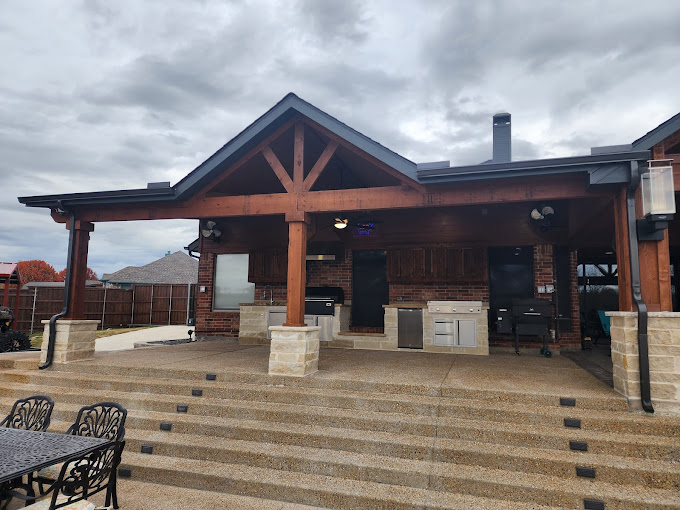
Most people think hiring a patio builder is simply about pouring some concrete, setting a few pavers, and maybe adding a pergola on top. That mindset is exactly why so many backyards in Dallas end up looking like generic slabs instead of inviting outdoor living spaces. A true patio project is less about square footage and more about how that space changes the way you use your home—how you relax after work, entertain friends, and enjoy the Texas evenings without feeling like you’re standing in a parking lot.
When you approach your backyard with a clear vision, the role of a patio builder shifts dramatically. Instead of asking, “How big should the patio be?” you begin asking, “What do I want to do out here, and how should this space feel?” That’s where a company like AY Development comes in—not just to build something flat and functional, but to translate your lifestyle, habits, and aesthetic preferences into a durable, beautiful outdoor environment that works in Dallas’s unique climate. A well-designed patio becomes the link between your home’s interior comfort and the open sky, turning unused yard into your favorite “room” in the house.
Transforming your backyard vision is not about copying a photo from the internet. It’s about taking inspiration and adapting it to the sun patterns, wind directions, property lines, drainage conditions, and architectural style of your specific home. The difference between an average patio and a thoughtfully designed one is subtle at first glance—but day after day, season after season, the thoughtful patio keeps proving its value. That transformation is exactly what a specialized patio builder can deliver when they truly understand both construction and outdoor living design.
Seeing Beyond The Concrete
One of the biggest mistakes homeowners make is focusing only on the surface material: concrete, pavers, stone, or wood. While these choices matter, they’re actually the last step in a much larger planning process. Before AY Development ever talks finishes with a Dallas homeowner, they look at how the space will be used—morning coffee, game-day gatherings, quiet reading, or large family parties. The function drives the form. If you love to host, for example, you may need zones: one area for seating, one for dining, and another for grilling or an outdoor kitchen. Each of these zones requires different sizing, placement, and circulation paths to feel natural and comfortable.
Another overlooked element is sightlines. A skilled patio builder thinks about what you see from inside the house and from different parts of the yard. Do you want to showcase a fire feature from your living room windows? Do you prefer screening off neighboring houses with strategic structures or landscaping? The shape and layout of the patio can direct attention toward your favorite views and away from less attractive ones. When AY Development designs in Dallas neighborhoods with close lot lines, they use these techniques to create privacy and a sense of retreat, even in compact yards.
Elevation changes are also part of seeing beyond the flat slab. A gentle step down from the back door, a raised seating platform, or integrated planters can visually break up the space and give it character. In some Dallas properties, existing slopes and drainage issues can be turned into assets with terraced patios or retaining walls that double as seating. Instead of fighting the site, a thoughtful builder uses it, which often leads to a patio that looks like it has always belonged there rather than something that was dropped on top as an afterthought.
Designing For Dallas Climate
Dallas weather is a major player in any backyard transformation. Summers are hot, the sun is intense, and storms can be sudden and heavy. A patio builder who doesn’t factor in these realities is setting you up for discomfort and maintenance headaches. AY Development starts by analyzing sun exposure throughout the day. If your patio faces west, you might love the sunsets but hate the blazing afternoon heat. That may call for a covered structure, strategically placed pergola, or shade elements that block high-angle sun while still allowing breezes to pass through.
Heat management goes far beyond shade. The choice of materials can significantly affect how hot the surface feels underfoot. Light-colored pavers, natural stone, or textured concrete often stay cooler than dark surfaces. Reflective properties, texture, and even joint spacing can change how the patio behaves in the Texas sun. A knowledgeable builder will guide you through these options so you’re not stuck with a beautiful but unusable patio during the hottest months.
Rain and drainage are equally critical. Dallas storms can dump a lot of water in a short time, so a properly built patio must be graded precisely to move water away from your home’s foundation. This is not something to guess at or eyeball. AY Development calculates slopes, sets appropriate drainage channels or French drains when needed, and ensures that water has a clear path off the surface. Poor drainage leads to puddles, slick algae, cracking, and in the worst cases, foundation damage. Getting this right at the design stage is one of the key differences between a professional patio builder and a quick, low-bid installer.
From Ideas To A Real Plan
A lot of homeowners in Dallas start with a vague wish list: “We want a place to sit, maybe a fire pit, and an area for the grill.” Turning that into a cohesive plan is where professional design makes all the difference. AY Development often begins with a conversation rather than a tape measure. They ask how many people you typically host, whether you prefer formal dining or casual lounging, how much time you realistically want to spend on maintenance, and whether your vision might eventually include features like an outdoor kitchen, spa, or pool.
Once those lifestyle details are clear, the builder can start mapping out the space logically. Traffic flow is crucial: people should be able to move easily from the house to the patio, from seating to cooking areas, and around furniture without squeezing through tight spots. This means planning the width of walkways, the spacing of furniture zones, and clear access to yard gates or side yards. Even details like where to store cushions or where a trash bin will sit during a party are considered. A great patio plan anticipates real-life use, not just how it looks in a photo.
Scale and proportion are another critical part of planning. A small patio attached to a large Dallas home can feel undersized and awkward, while an oversized patio can overwhelm a modest yard. AY Development balances the dimensions of the patio with the architecture of the house, the size of the lot, and the intended use. They may recommend rotating the layout, adjusting the shape, or adding curves to soften long, straight lines. The resulting plan is tailored rather than generic, giving you a space that feels intentional and comfortable from day one.
Choosing Materials And Features
Once the layout is locked in, the exciting part begins: selecting materials and features that bring your backyard vision to life. Dallas homeowners often lean toward natural stone, textured concrete, or high-quality pavers that complement the existing brick or siding of the house. AY Development helps you compare options based on aesthetics, durability, heat retention, and maintenance. For example, stamped concrete can mimic the look of stone at a lower cost, but pavers may offer easier repair if a section ever needs to be replaced.
Beyond the main surface, the real personality of your patio comes from the features you choose. Built-in seating walls, planters, fire pits, and low retaining walls can all be integrated into the design. These elements add both function and visual interest. A fire feature, in particular, extends the usability of your patio into cooler evenings and seasons, making the space a year-round asset. Lighting is another powerful feature: step lights, path lights, and subtle accent lighting on columns or trees create ambiance and improve safety once the sun goes down.
For many Dallas homeowners, the ultimate upgrade is an outdoor cooking or dining area. This can range from a simple built-in grill to a fully equipped outdoor kitchen with countertops, storage, and refrigeration. When you coordinate your patio project with experienced Outdoor Kitchen Contractors like AY Development, you ensure that utilities, clearances, and ventilation are all integrated correctly from the start. That kind of foresight prevents costly rework later and results in a seamless outdoor living environment instead of a collection of mismatched pieces.
The Construction Process Explained
Even the best design can be undermined by poor execution, so understanding the construction process is essential. A professional patio builder in Dallas doesn’t just show up with a crew and start pouring concrete. AY Development begins with site preparation: marking utilities, removing existing turf or old patios, and establishing precise reference points for elevation and layout. This groundwork stage can seem slow, but it’s where the long-term stability of your patio is determined.
Next comes base preparation, which is often the most critical yet invisible part of the project. For paver or stone patios, this involves laying and compacting layers of base material to prevent settling and shifting. For concrete patios, proper subgrade preparation and reinforcement are key to minimizing cracking over time. In Dallas’s expansive soils, this stage is especially important. A reputable builder will not cut corners here, even if it’s tempting to speed things up or save on materials.
Once the base is ready, the surface material is installed with careful attention to alignment, slope, and joints. Edging, expansion joints, and transitions to existing structures are handled precisely to ensure both function and aesthetics. After the main surface is complete, the crew addresses finishing details: installing drains, cleaning up the site, and adding any integrated features like seating walls or fire pits. AY Development typically walks homeowners through the finished space, explaining how to care for the materials and what to expect as everything settles into place over the first few months.
Working With AY Development
In a market like Dallas, where many contractors offer patio services, what sets AY Development apart is their focus on turning a vague idea into a cohesive backyard vision. They don’t push a one-size-fits-all solution or a standard package. Instead, they listen first, then propose options at different levels of complexity and investment. This collaborative approach lets you prioritize what matters most—whether that’s shade, cooking space, low maintenance, or visual impact—while staying within a realistic budget.
Communication is another key part of the experience. A patio project affects access to your backyard, noise levels during construction, and sometimes even where you park or enter your home temporarily. AY Development keeps Dallas homeowners informed about schedules, inspection dates, and any adjustments that need to be made. Knowing what’s happening and when reduces stress and helps the project progress smoothly from start to finish.
Most importantly, AY Development looks at your patio as the foundation of broader outdoor living possibilities. Even if you’re not ready to add every feature today, they can design the space with the future in mind: leaving room for a pergola, planning for a future outdoor kitchen, or pre-running conduit for later lighting upgrades. That forward-thinking approach ensures that your backyard can evolve with your lifestyle, without forcing you to undo or redo earlier work.
Frequently Asked Questions
How long does a typical patio project take in Dallas? For most residential patios, the active construction phase usually ranges from a few days to a couple of weeks, depending on size, complexity, and weather. The overall timeline, including design, material selection, and any necessary permits, can extend that to several weeks. AY Development works with homeowners to establish a realistic schedule at the outset and coordinates inspections and material deliveries to minimize delays.
What size patio do I really need? The ideal size depends less on your lot and more on how you plan to use the space. As a general guideline, a small seating area for two to four people might require 100–150 square feet, while a dining and entertaining space for larger gatherings could easily require 300 square feet or more. AY Development helps Dallas homeowners think through furniture layouts, circulation paths, and future features so the patio doesn’t feel cramped or oversized once it’s in use.
Is a covered patio worth the extra cost? In the Dallas climate, a covered patio often becomes one of the most valuable parts of the home. It provides shade from intense sun, shelter from light rain, and a more comfortable environment during much of the year. Although a covered structure adds to the initial investment, it dramatically increases usability and can protect furniture and finishes from weather damage. AY Development can integrate covers, pergolas, and structural elements into the overall design so they look like a natural extension of your home.
How much maintenance will my new patio require? Maintenance needs depend on the materials you choose. Concrete patios may require occasional cleaning and, in some cases, resealing. Pavers and stone may need periodic joint sand replacement and cleaning to prevent weed growth. In general, most modern patio materials are designed to be relatively low-maintenance, especially when installed correctly with proper drainage. AY Development provides Dallas homeowners with specific care guidelines tailored to the materials and features used in their project.
Can I phase my backyard project over time? Yes, many homeowners choose to build their outdoor living space in stages. You might start with the core patio area and later add features like a pergola, outdoor kitchen, or fire feature. The key is planning with those future phases in mind from the beginning. AY Development is experienced in designing patios that function beautifully today while allowing for seamless additions down the road, so you don’t have to redo work or compromise on your long-term vision.