
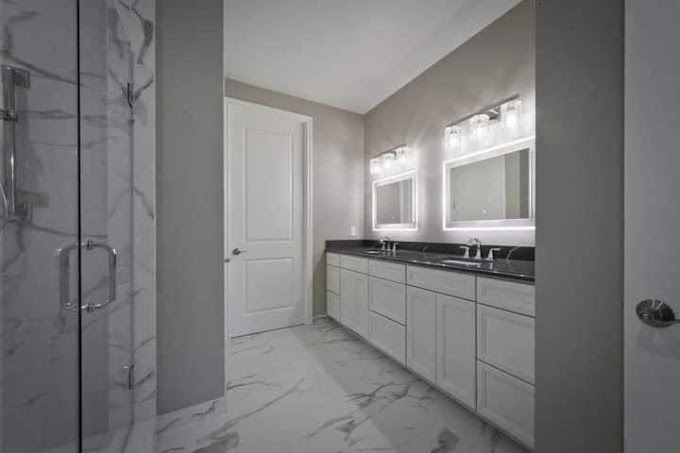
Signs Your Bathroom Needs Remodeling Before Damage Spreads
If your bathroom is starting to feel “off” between the floors, the shower, and the vanity, it is usually not just cosmetic. In the Dallas-Fort Worth area, moisture can travel quietly, and small issues often escalate faster than homeowners expect.
You notice the grout looks darker after every shower, or the caulk line around the tub has gaps you keep “spot fixing.” Maybe the bathroom smells musty after a long day, or the floor feels slightly soft near the base of the shower.
Those signs are common before bigger problems like hidden water damage and warped materials show up. This guide helps you recognize early warning signals, understand what to check first, and decide when a small bathroom remodel is the smarter move than repeated patchwork.
- Quick answer
- What to check first
- Main things customers should understand
- Why this matters in Dallas-Fort Worth
- Common mistakes
- Customer checklist
- Frequently asked questions
Quick Answer
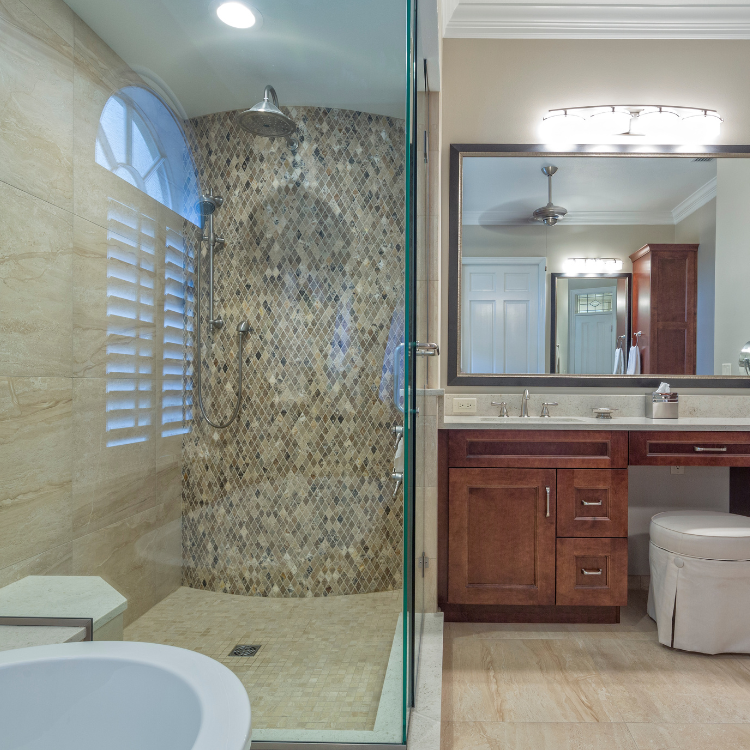
If you are seeing recurring moisture, cracking caulk, discoloration around wet areas, or softness near the shower or vanity, your bathroom may need remodeling before damage spreads. Start by inspecting the highest-risk zones: shower/tub waterproofing edges, grout and caulk lines, and areas where plumbing meets walls and floors. If you find bubbling, persistent odor, or any soft drywall or subfloor, do not keep patching. A bathroom renovation typically addresses the root cause, not just the surface, and can help prevent hidden issues from expanding.
What to Check First
Before you buy materials or schedule “quick fixes,” do a targeted look around the wettest parts of your bathroom. These checks help you decide whether you are dealing with surface wear or a deeper moisture problem that could spread through framing and flooring.
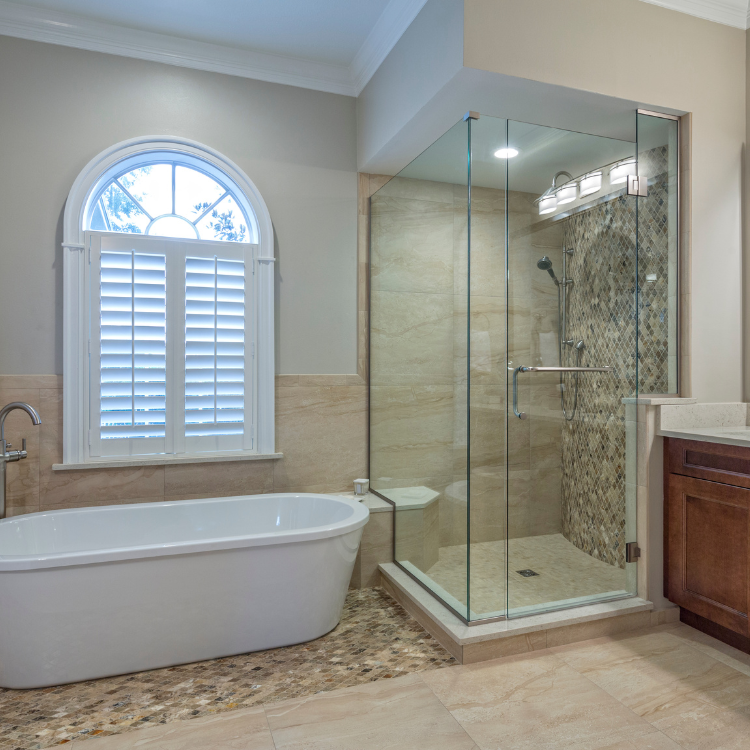
Shower and tub edges
Look for cracked or missing caulk where the tub or shower meets the wall. Check for any gaps that let water slip behind finishes.
Grout lines and tile seams
Notice darkening, crumbling, or areas that look different after showers. Grout wear can be a sign water is migrating.
Vanity and plumbing connections
Inspect under the sink for damp cabinet bottoms, stains, or residue around supply lines and drain connections.
Professional observation: If you can’t identify a single “leak spot,” the damage is often happening at the edges of waterproofing, not where you first notice a stain.
Main Things Customers Should Understand
Bathrooms are built like layered systems. When one layer fails, you may still see only surface symptoms at first, but the problem can move outward or downward. The goal of remodeling is to restore the right layers in the right order, so moisture stops where it should.
Signs it is time to plan a bathroom renovation:
- Recurring discoloration around the shower, tub surround, or floor perimeter.
- Caulk that keeps cracking even after you reapply it.
- Soft spots on the floor or near the base of the shower or vanity.
- Musty odor that returns after cleaning or drying.
- Visible grout breakdown or tile that looks loose.
| What you notice | Where it usually points | What a bathroom remodel should address |
|---|---|---|
| Cracked or missing caulk at tub/shower seams | Water getting behind the finish layers | Rebuilding the wet-area transition and resealing properly as part of the renovation scope |
| Darker grout after showers | Moisture absorbing into joints and surrounding areas | Updating grout/seal approach and ensuring waterproofing coverage where water travels |
| Soft drywall or floor near plumbing | Leaks or long-term moisture at connections or subfloor edges | Addressing affected materials and restoring a dry, stable base before finishes go back in |
| Musty smell that returns | Moisture remaining after use, even if you cannot see it | Targeting moisture sources and replacing compromised materials to stop the cycle |
Why This Matters in Dallas-Fort Worth
In Dallas-Fort Worth, bathrooms often sit in older homes where original materials and moisture management were built for different expectations. Seasonal swings and daily humidity can make small failures show up sooner, especially around showers, tubs, and exterior-facing walls. Remodeling at the right time helps you reduce the chance that water travels into areas you cannot easily see, which is exactly what you want to avoid in the DFW metroplex.
Local practical tip: If you are considering a broader home update, pairing a bathroom refresh with related work can prevent redoing finished surfaces. For example, aligning your bathroom renovation schedule with bathroom remodeling in Dallas can help keep the project flow organized.
Common Mistakes to Avoid
Homeowners often try to “buy time” with surface repairs, but a bathroom is a system. If water is finding a path behind tile or around plumbing, patching the visible part can keep the underlying issue active and allow damage to spread.
- Only re-caulking without confirming why the caulk line is failing.
- Replacing tile while leaving compromised moisture barriers in place.
- Ignoring soft spots near the shower or vanity, which can indicate subfloor or framing impact.
- Trying to clean musty areas without addressing the moisture source.
- Delaying a plan until damage is visible everywhere, which can expand the scope.
Customer Checklist
Use this checklist to organize what you see and what you should ask about. It is designed to help you make a clear decision for your home in Dallas-Fort Worth, whether you are leaning toward a bathroom renovation now or doing a short set of assessments first.
Bathroom “remodel soon” checklist:
- Identify the exact wet zones: shower/tub surround, grout lines, and vanity plumbing area.
- Look for repeating patterns: discoloration returns after normal use.
- Check for material changes: softness, bubbling, or separation at seams.
- Confirm whether odors return after showers, not just after cleaning.
- Decide your next step: repair-focused, or remodel-focused based on what is actually failing.
Representative Scenario: What a Decision Looks Like
A property manager in the Dallas-Fort Worth area receives frequent tenant complaints about a “damp shower smell.” They notice the bathroom caulk line is separating and the grout near the base darkens after routine use. Rather than doing repeated touch-ups between turnovers, they schedule a bathroom remodeling evaluation so the team can address the moisture pathway and restore a durable finish system.
Plan Your Next Step for a Bathroom Renovation
If you are seeing early warning signs, a focused assessment can help you avoid chasing the same spot repeatedly. AY Development can help you map what is failing and what should be replaced to stop moisture from spreading.
Call AY DevelopmentFrequently asked questions
These answers focus on the most common homeowner questions we hear when planning a small bathroom remodel in Dallas-Fort Worth.
How do I tell the difference between cosmetic wear and water damage?
Should I keep patching caulk and grout, or plan a remodel?
What areas are most likely to cause hidden damage?
Can a bathroom vanity installation improve moisture issues?
Do you also help with related home projects in the Dallas-Fort Worth area?
Ready to Stop the Spread?
If your bathroom is showing early warning signs, planning a bathroom renovation now can help you protect surrounding materials and reduce the chance of escalating damage. Contact AY Development to discuss what you are seeing and what a practical next step looks like.
Explore Bathroom Remodeling
About AY Development
AY Development provides remodeling services for Dallas-Fort Worth homeowners, including bathroom renovation work and related home projects. The team serves the DFW area and also supports customers in the Austin, San Antonio & Houston area, helping property owners plan updates that address both appearance and the underlying causes of common issues.