
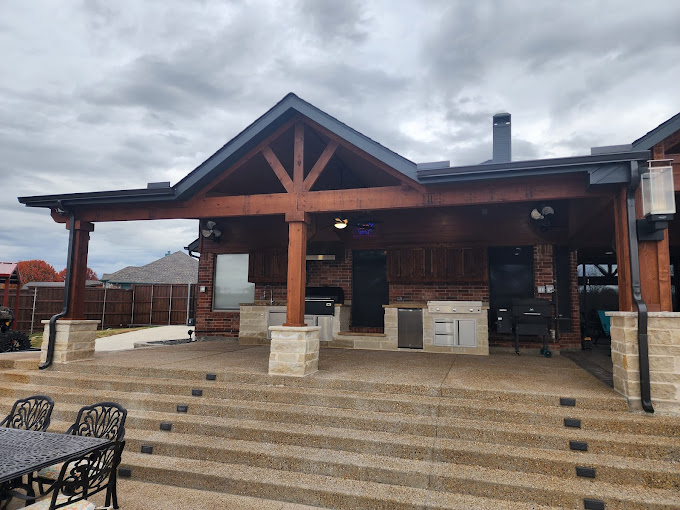
Signs Your Patio Needs Repair or Replacement
If your patio in the Dallas-Fort Worth area is starting to feel “off,” the fix might be more than cosmetic. This guide walks you through the common warning signs, what they usually mean, and when replacement is the smarter next step for homeowners across DFW.
If you notice wobbling boards, pooling water after storms, or cracks that seem to spread each season, it is easy to delay a decision. But patios are constantly exposed to sun, rain, and temperature swings, and small issues can quietly turn into bigger problems.
This guide helps you understand which patio symptoms point to repair, which ones signal replacement, and what to check before you contact a patio builder. You will also get a quick decision table and a customer checklist you can use around your home in Dallas-Fort Worth.
- Quick answer
- What to check first
- Main things customers should understand
- Why this matters in Dallas-Fort Worth
- Common mistakes
- Customer checklist
- Frequently asked questions
Quick Answer
If your patio has trip hazards, visible movement, recurring pooling water, or cracking that keeps expanding, it is usually time to get an on-site assessment. Minor issues like small surface staining can often be addressed with targeted repairs, but structural movement and drainage problems tend to return if the underlying cause is not corrected. Start by checking for levelness, loose sections, and water behavior after rain. For a dependable path forward, contact AY Development so you can compare repair options versus a full patio rebuild.
What to Check First
Before you call it “time for a new patio,” do a quick, practical inspection. Focus on safety, drainage, and whether the problem is limited to the surface or involves the base. In Dallas-Fort Worth, a patio that looks okay on a sunny day can show its true condition after a hard rain, so try to observe it in both conditions if you can.
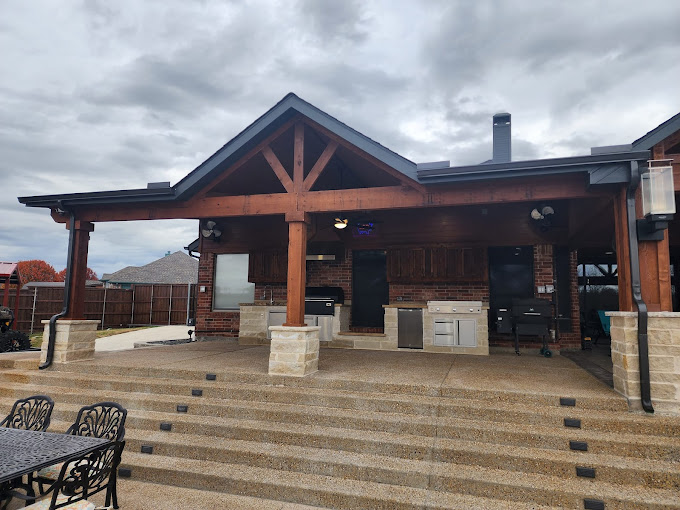
Professional observation: The fastest way to tell repair vs. replacement is to figure out whether the patio is still stable and draining properly. If the base is shifting or water is pooling, surface fixes alone often do not hold up.
- Level and movement: Walk across the patio carefully. Do you feel bouncing, sinking, or uneven transitions near the door, steps, or corners?
- Cracks and separation: Look for cracks that widen, gaps between slabs, or edging that pulls away from the home.
- Water behavior: After rain, check where water runs and where it stays. Pooling near the house, gutters, or door thresholds is a red flag.
- Loose or damaged sections: Loose pavers, rocking tiles, lifting seams, or spongy spots usually point to base issues.
Main Things Customers Should Understand
Patio problems rarely happen for only one reason. In the Dallas-Fort Worth area, heat exposure, seasonal moisture changes, and heavy storm runoff can stress materials and foundations. Understanding what you are seeing makes it easier to choose between repair and replacement with fewer surprises.
Cracks that keep growing
Hairline cracks can be a normal part of settling, but expanding cracks, repeated patching, or cracks that return after repairs often suggest movement in the base or reinforcement needs attention.
Pooling water and dark spots
If water consistently lingers, it can contribute to deterioration, staining, and surface failure. Drainage problems can also impact surrounding landscaping and building edges.
Trip hazards at edges
Raised lips, uneven transitions, or step inconsistencies are safety concerns. If someone can catch a toe, the patio needs attention sooner rather than later.
What this usually means: When you see safety issues plus drainage problems, the “fix” is often more involved than re-surfacing. That is why a patio builder assessment matters before you spend money on temporary solutions.
Repair might be the right fit when
- The patio remains stable with no noticeable movement under foot traffic.
- Cracks are limited and do not show signs of increasing separation.
- Water drains away as intended and does not pool near the house.
- Damage is localized, such as a small section near an edge or a limited area of surface wear.
Replacement is worth considering when
- Multiple areas are uneven or rocking, suggesting base or substructure issues.
- Cracks and separation appear across larger sections of the patio.
- Pooling water is recurring after storms, even after surface cleaning.
- You want to redesign flow and outdoor living function, not just patch problems.
Why This Matters in Dallas-Fort Worth
In the Dallas-Fort Worth area, patios see intense sun, heavy rain events, and frequent temperature shifts. Those conditions can magnify small weaknesses, especially where the patio meets the home, where water naturally wants to travel, and where edges handle expansion and contraction. If you are in Austin, the San Antonio area, or the Houston area, the pattern is similar: local weather cycles can stress outdoor surfaces, and drainage becomes a long-term performance issue, not a one-time concern.
| What you notice | Most common underlying cause | Repair vs. replacement decision support |
|---|---|---|
| Rocking pavers or sinking sections | Base settlement, shifting, or inadequate support | Often points toward more than patch work. Replacement may be the safer long-term choice. |
| Cracks that widen or reappear after patching | Ongoing movement or stress in the structure | If it keeps returning across sections, replacement becomes more likely. |
| Water pools near the door or foundation edge | Drainage slope issues or water routing problems | Repair can help if the base and grade can be corrected. If pooling persists, replacement may be needed. |
| Small surface staining with stable panels | Surface wear or localized exposure | Targeted repairs or refinishing may be enough, depending on how the patio behaves after rain. |
Get a patio plan you can trust
If you want a clear path for repair or replacement, AY Development can help you evaluate your patio’s condition and outdoor layout needs in the Dallas-Fort Worth area.
Contact AY DevelopmentCommon Mistakes to Avoid
Homeowners often make decisions based on what looks worst in the moment, but patios fail for reasons you cannot always see. These common mistakes can lead to repeat problems, wasted labor, and extra cost later.
- Only fixing the top surface: If the base is shifting or drainage is wrong, re-surfacing or patching may not hold.
- Ignoring water behavior: A patio that stays wet after storms can accelerate deterioration and create future safety issues.
- Waiting until the problem becomes a trip hazard: Raised edges and uneven steps create safety risk and can complicate future repairs.
- Choosing based on appearance alone: Cracks, gaps, and discoloration matter, but stability underfoot and drainage performance are the deciding factors.
Customer Checklist
Use this checklist during a normal walk-through. It helps you describe the issue clearly and supports a better repair vs. replacement conversation with a patio builder.
- Mark any areas that feel uneven, rocking, or sunken when you walk on them.
- Check seams, joints, and edges for separation from each other or from the home.
- Look for cracks that appear to widen or spread across multiple sections.
- After rain, note where water pools and how long it takes to drain.
- Confirm whether the issue is localized (a small section) or widespread (many sections).
- Think about how you use the patio today, including door access, foot traffic, and furniture placement.
Representative scenario (what this can look like)
A homeowner in Dallas-Fort Worth notices their patio near the back door has a visible slope toward the house. After storms, water lingers along the threshold, and a few pavers feel slightly loose. They initially plan to replace only the cracked pieces, but a closer look shows uneven transitions and recurring pooling. In cases like this, a patio repair plan that addresses drainage and support is usually the difference between a short-term fix and a patio that stays safe and functional.
Frequently asked questions
These answers focus on the practical decisions homeowners in Dallas-Fort Worth usually face when a patio starts showing wear.
How do I tell if my patio needs repair or full replacement?
Start with stability and drainage. If sections rock, sink, or create trip hazards, the base may be compromised and replacement becomes more likely. If cracks widen, separation keeps returning, or water pools after rain, surface-level fixes often do not last. If the patio remains stable and water drains properly, localized repairs may be enough. An on-site assessment is the quickest way to confirm what is causing the symptoms you see.
Is pooling water on a patio ever “normal”?
Some minor dampness can happen right after a storm, but consistent pooling near the home or door threshold is a problem. It can accelerate deterioration and increase the chance of future movement or surface failure. In Dallas-Fort Worth, recurring weather cycles can make drainage issues show up again and again. If water does not drain away as expected, it is usually worth addressing the grade and routing, not just cleaning the surface.
What patio materials typically show these signs first?
Many patio surfaces can fail over time, but the earliest warning signs are usually related to the base and drainage, not just the top layer. Rocking pavers, lifting seams, and uneven slabs can show up regardless of whether your patio is made with stone, pavers, or concrete. Cracks and edge separation often become more noticeable as the structure shifts. The material matters, but stability and water behavior are the key indicators.
Can a patio builder also help with outdoor kitchen upgrades?
Often, yes. Outdoor living projects tend to work best when the patio layout supports how you want to use the space, including appliance placement, seating flow, and safe traffic paths. If you are planning a luxury outdoor kitchen, it may influence the patio design as well. AY Development offers outdoor kitchen building support, including outdoor kitchen building in Dallas, which can pair well with patio repairs or rebuilds.
What should I prepare before getting an estimate for patio repair or replacement?
Take a walk-through and note where the issues show up. Focus on uneven areas, cracks, and any edges that feel like trip hazards. If possible, observe where water pools after rain. You can also describe how the patio is used daily, including access from doors and main foot traffic routes. This helps the contractor evaluate whether the issue is localized or widespread, and whether a repair plan can address the root cause.
Ready to decide on repair or replacement?
AY Development serves homeowners in the Dallas-Fort Worth area and beyond. If you want a patio builder who can help you compare options based on safety, drainage, and stability, contact the team today.
Call (469) 345-3009
About AY Development
AY Development provides remodeling services for Dallas-Fort Worth homeowners, including outdoor upgrades and patio building support. If you are planning kitchen renovation, bathroom renovation, custom home building, or an outdoor kitchen project, the goal is the same: help you choose practical, build-ready next steps for the spaces you use every day.